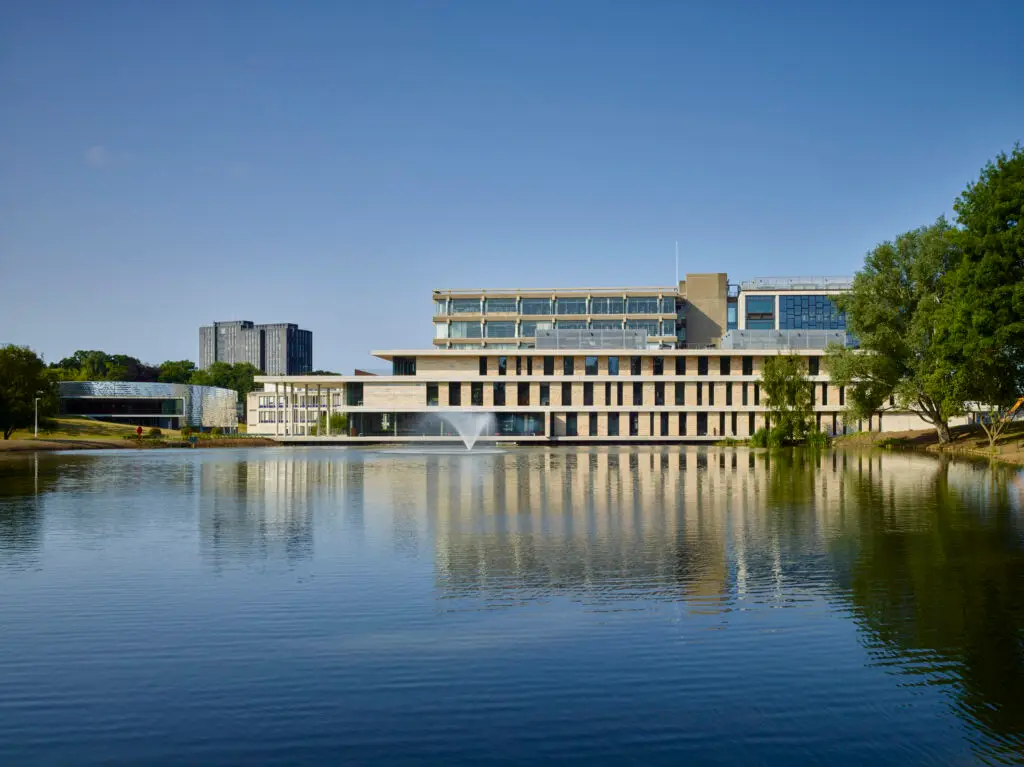
The success of a tall building relies on crafting an identity and cultural acceptance that define it in the public’s mental map of London.
Place and identity are strongly related to memories of particular spatial experiences. Our holistic design approach, which encompasses the macro and micro scales through masterplanning, architecture and landscape design, enables us to create these experiences. By understanding the vital components, we are able to pragmatically identify where to focus expenditure; where to focus on detail and where simplicity is sufficient. Our high-rise buildings create a diversity of human experiences and positively contribute to the city’s skyline.
Lombard Wharf
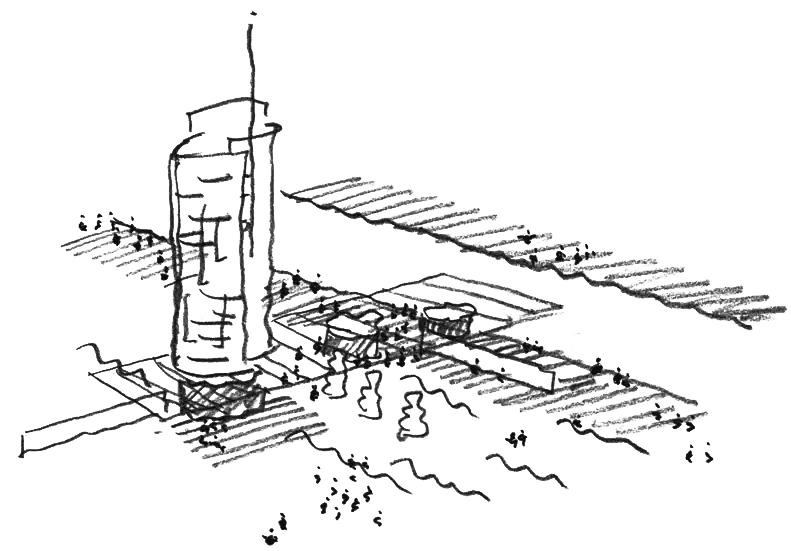
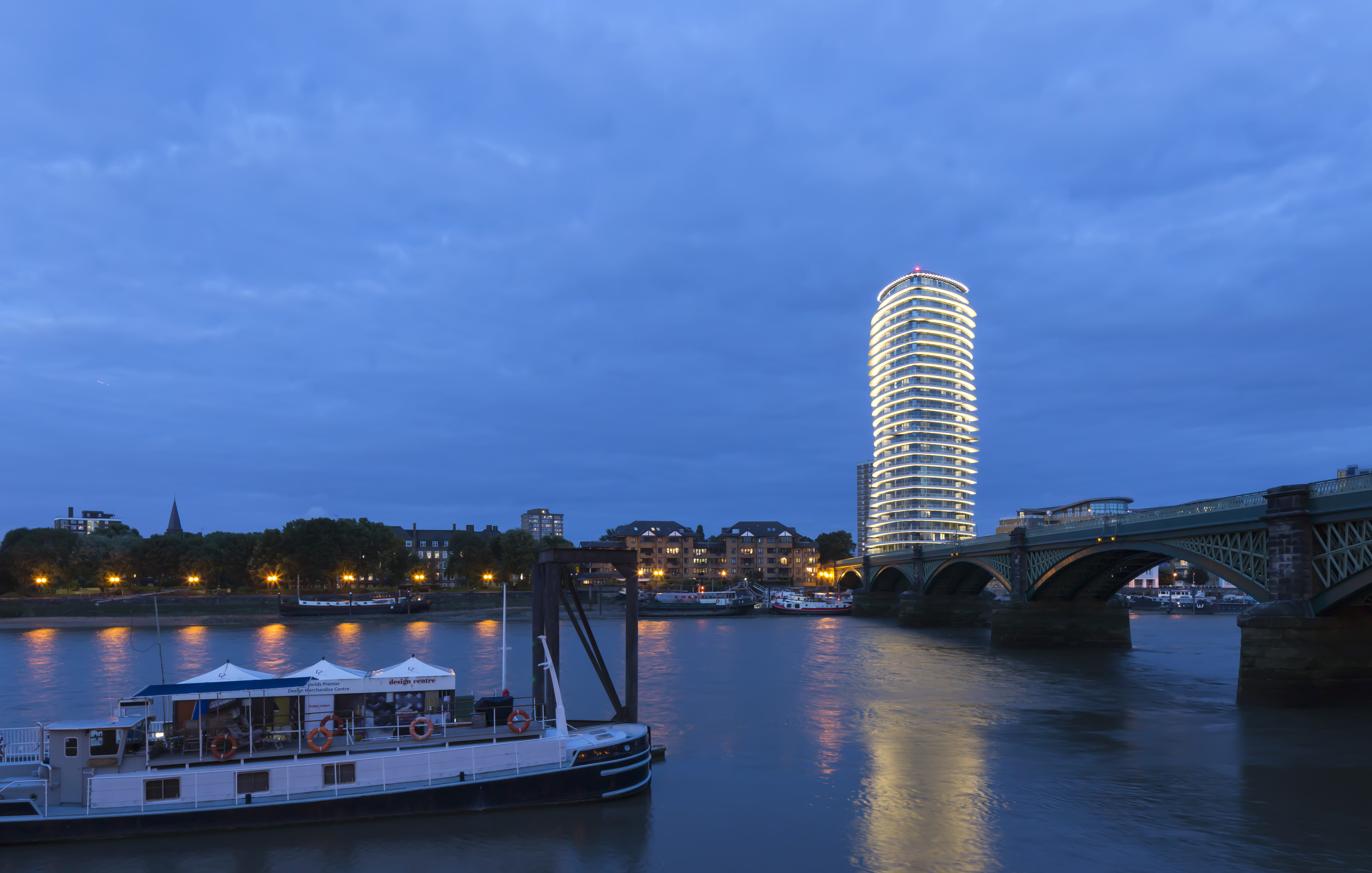
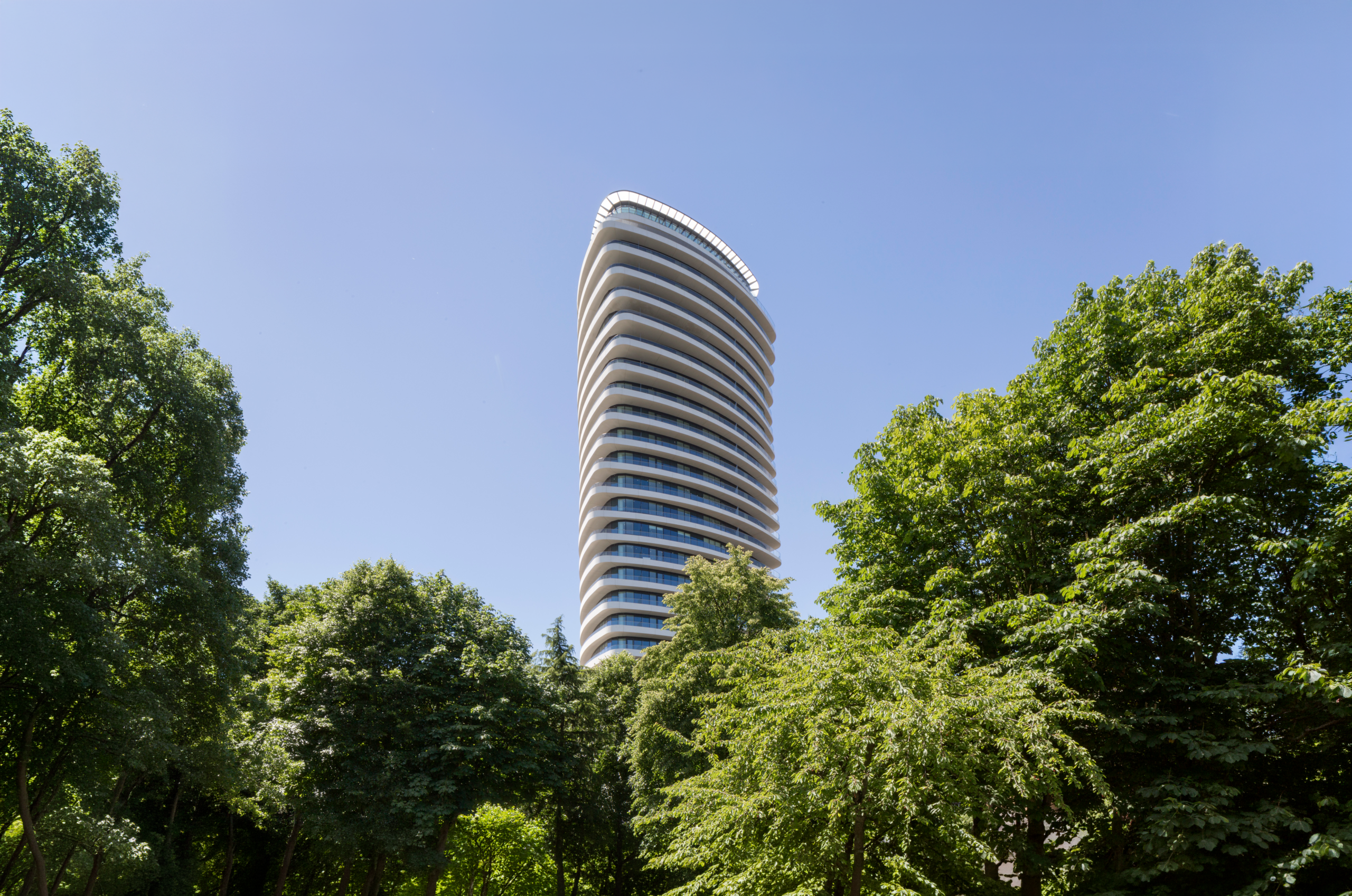
The building’s visual identity is characterised by wraparound balconies. Made from precast concrete, they lend a dynamic sculptural profile to the building, creating a fluid sense of movement that complements the riverside setting.
On a site earmarked for no greater than nine storeys, planning consent was secured for this 28-storey residential tower comprising 1-, 2- and 3-bed homes with ground floor commercial units.
Oriented to the north-west, the building’s minimal oval footprint is designed to maximise public space at the base of the tower.
The balconies made from precast concrete, they lend a dynamic sculptural profile to the building, creating a fluid sense of movement that complements the riverside setting.
Patel Taylor has honoured our vision for the site, which was to deliver exemplar architecture and an attractive new public realm that improves local connections as well as providing much-needed new homes for Wandsworth.
Alastair Baird, Regional Managing Director, Barratt London
Cashmere Wharf
A crystalline 27-storey tower adjacent to Gauging Square, at the heart of the London Dock masterplan. The building acts as a marker for London Dock, subtly placing this new neighbourhood on the city skyline.
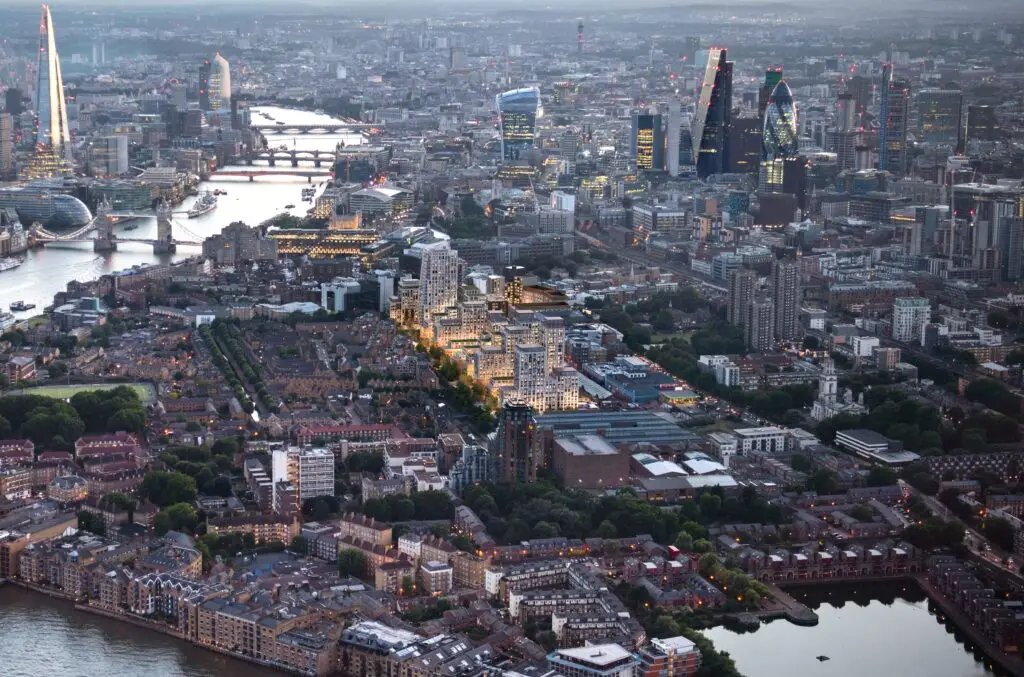
The position, orientation and articulation of the building have been carefully considered to minimise impact on key views from nearby heritage assets, such as Tower Bridge and the Tower of London. These considerations also maximise value of homes and the quality of living in the provision of daylight and views across the city.
Cashmere Wharf is designed to work at a variety of scales; as a distinct piece of architecture, marking London Dock as a new piece of the city, as a complementary piece of a wider composition, defining local space and public realm, and as a collection of homes that connect residents back to the city and this emerging neighbourhood.
Cashmere Wharf interacts with the skyline through two distinct characters. The glazed element is viewed from the City, the Southbank and London Bridge, and through Tower Bridge. It adds a soft, almost camouflaged form to the city skyline, especially when viewed with the backdrop of Canary Wharf.
From the east, the masonry element of the building is read alongside the masonry context of the City, and with the future phase buildings of London Dock.
At street level, a double-height granite colonnade connects the building entrance and commercial space with key public routes to the north and south of the building.
8-13 Casson Square
Part of the Southbank Place redevelopment, 8-13 Casson Square is located on the historic Shell building site on the South Bank in London. This 32-storey hybrid building comprises three main uses: residential, commercial, and a ticket hall for Waterloo Underground Station.
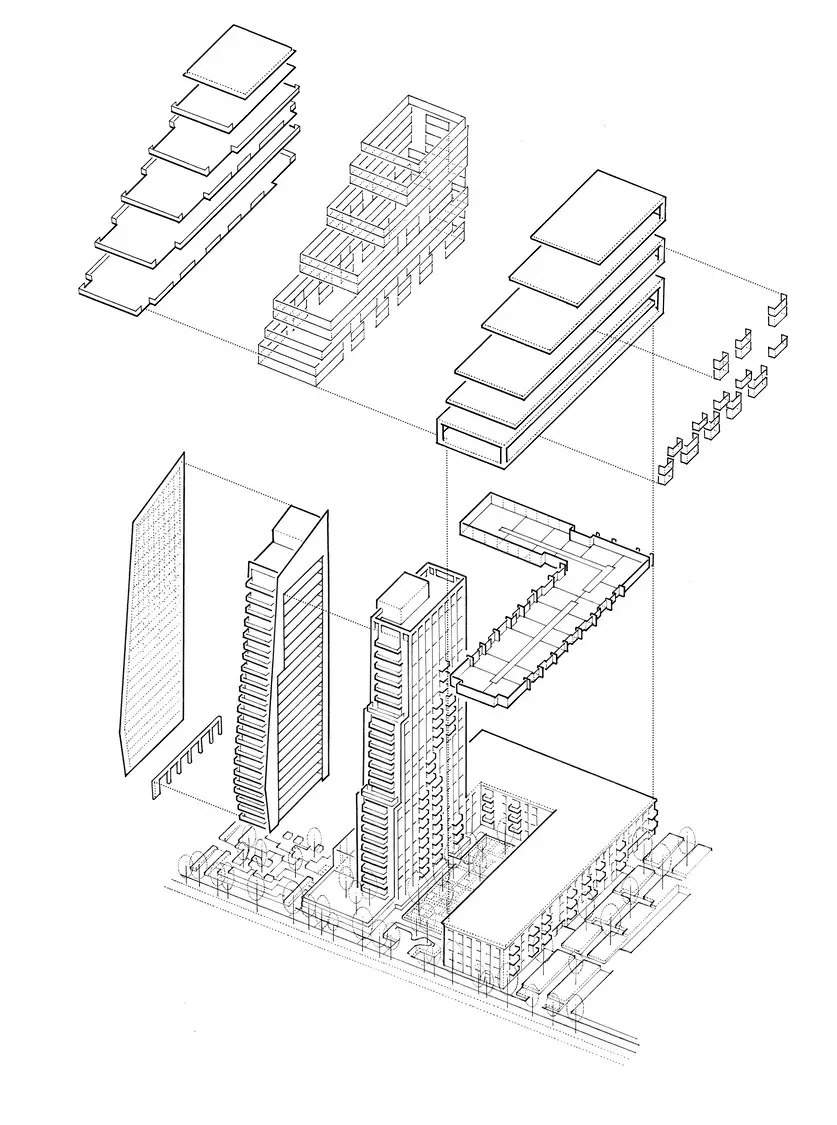
The building design is organised into three tiers, reflecting these uses.
The facade is highly articulated, creating a tapestry of interwoven uses within an 'inhabited stone screen.' At the base, the ground floor uses are interspersed to provide an active frontage and engage with the public realm.
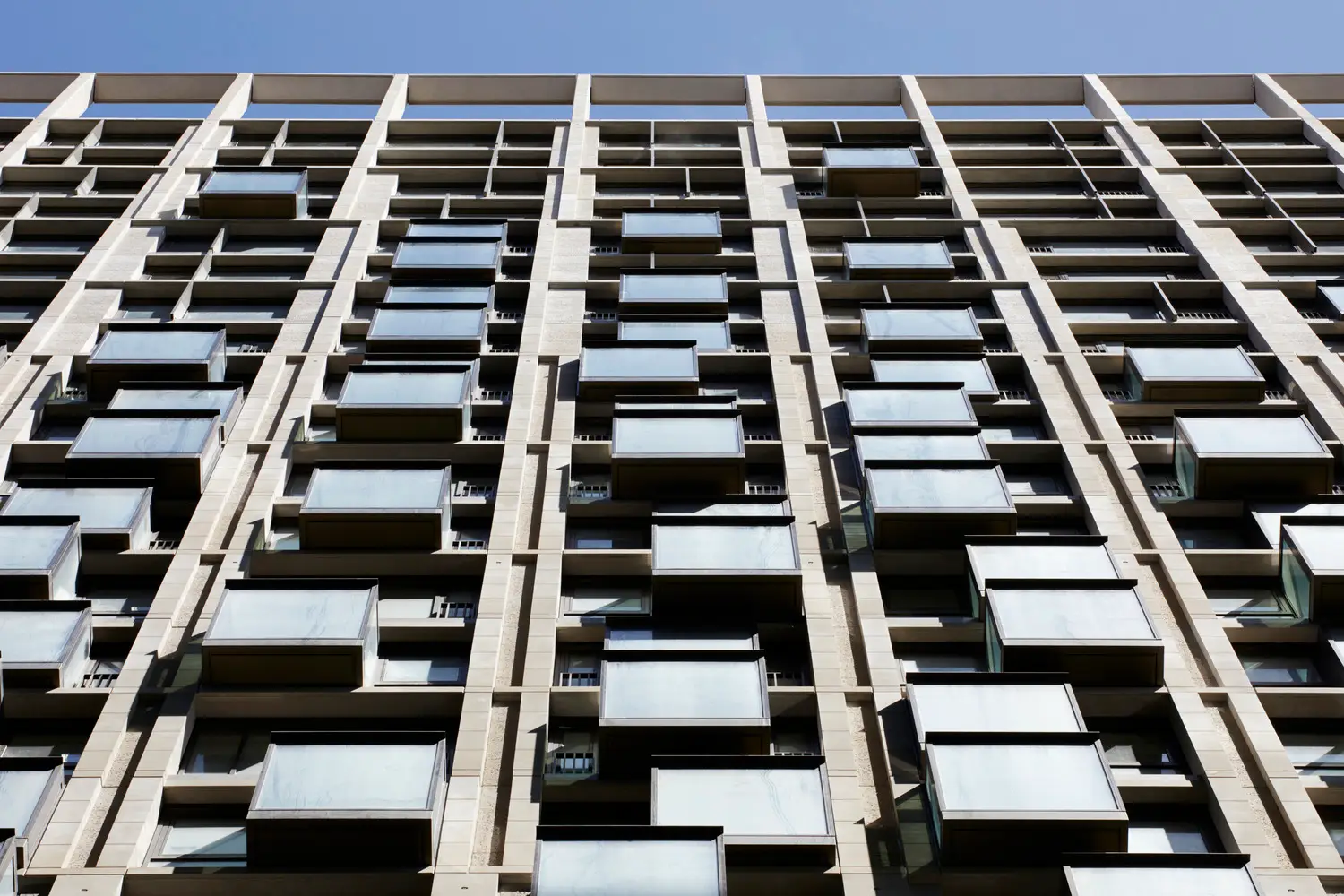
The residential component, located in the body of the building, features a variety of facade treatments, including diverse oriel window types, recessed balconies, and winter gardens.
A shoulder at the crown of the building contains penthouse suites and plant functions.
The building's material palette includes Portland Stone, roach stone detailing, and bronze metal accents, reflecting the heritage fabric of Shell and London. This design approach results in a building that is responsive to its context, and far from the 'identikit' nature associated with high density new build developments.
Marsh Wall
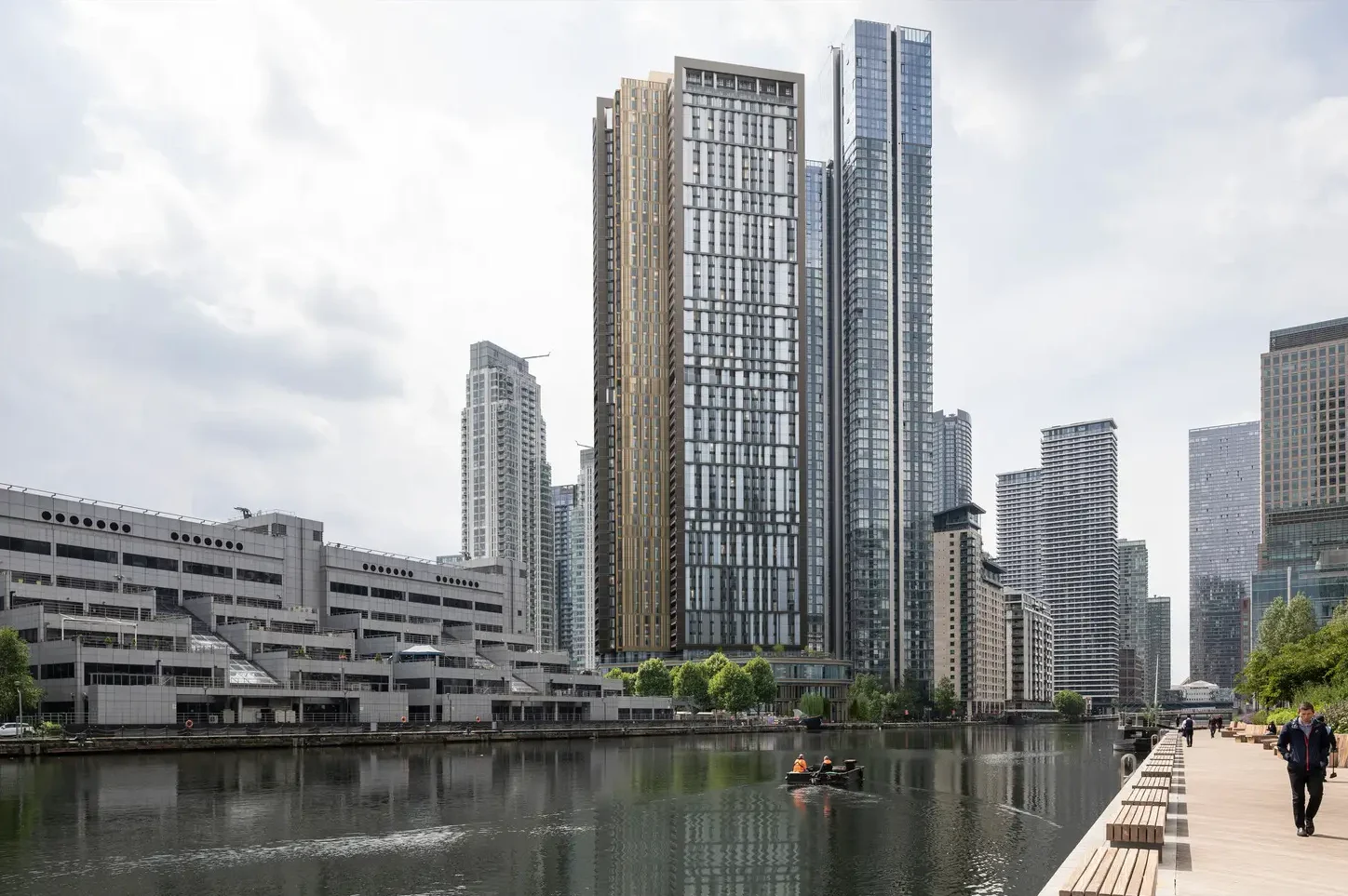
The scheme challenges traditional housing models by providing flexible, multi‑tenure living alongside conventional homes, all managed under a single operation to serve a diverse urban population.
Located in the Isle of Dogs Opportunity Area and Canary Wharf Tall Buildings Zone, the proposal involves demolishing the existing office building to deliver a landmark tall building at the intersection of South Dock and Millwall Cutting.
The development will activate Marsh Wall and the dockside with outward‑facing uses that support social sustainability, including food and beverage, retail and community spaces.
Affordable housing comprises 38% by habitable room, including 96 Social Rent and 25 Discount Market Rent homes. The residential mix is completed by 195 Build‑to‑Rent homes, 238 co‑living units and 266 serviced apartments, supported by extensive shared amenities such as rooftop gardens, new public spaces, and internal leisure, wellness, co‑working and communal facilities
Cassini
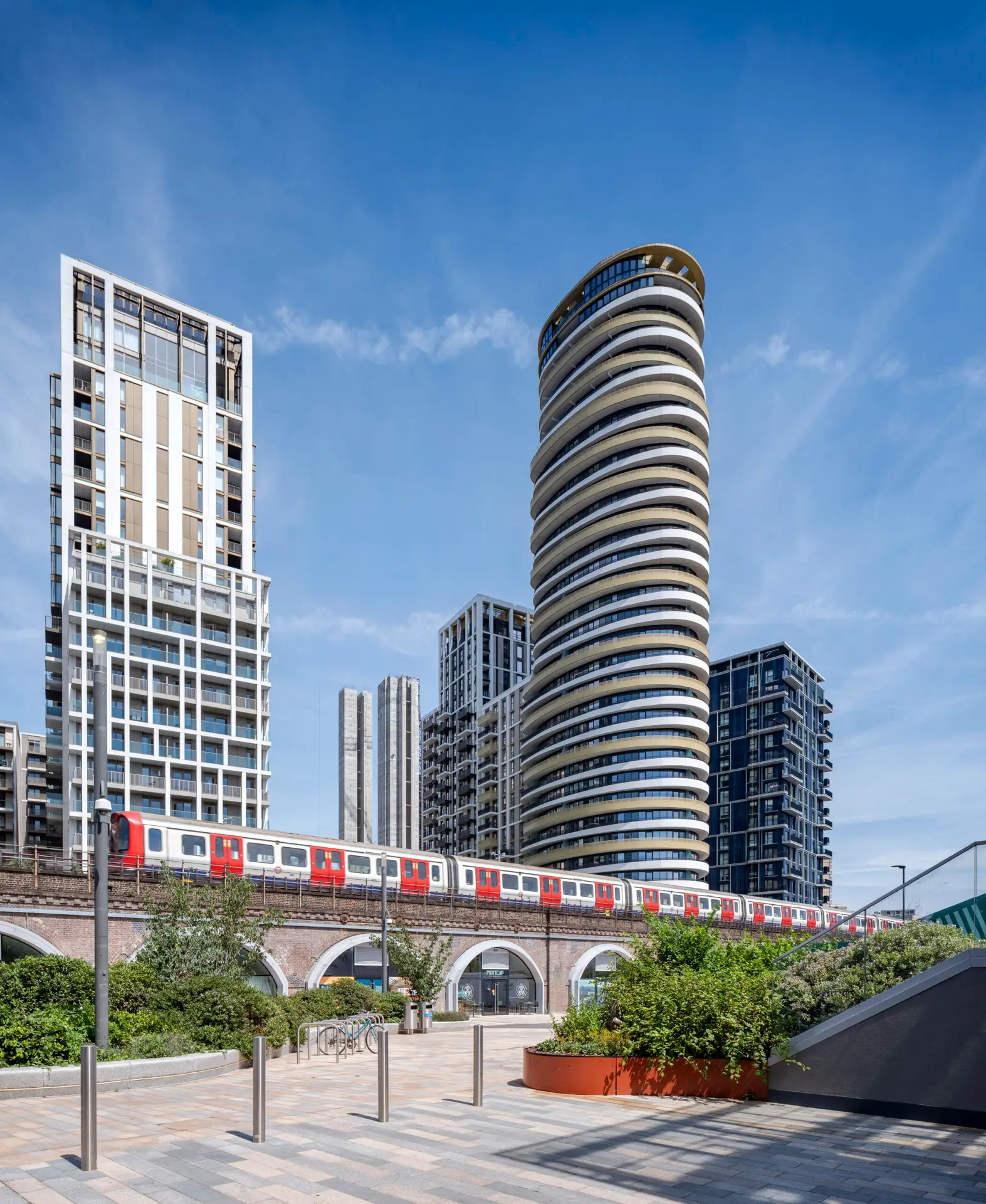
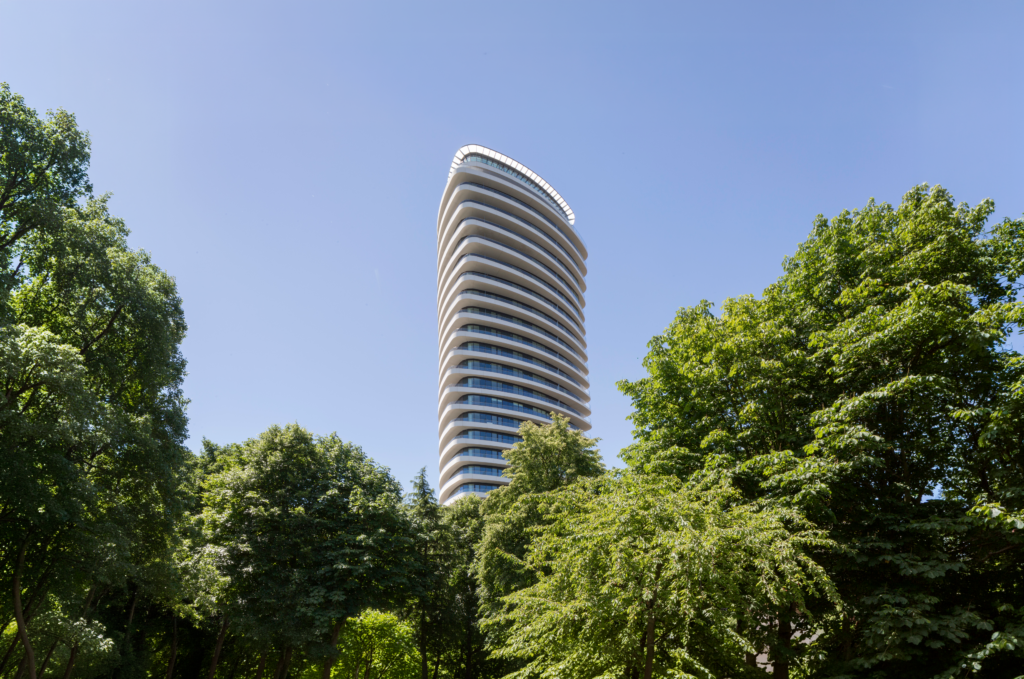
Cassini Tower occupies a prominent position in White City, serving as a landmark for the public gardens at the heart of a connected masterplan that includes commercial, academic, leisure, and media uses. The tower offers 1 to 3 bedroom homes for private market sale, with its projecting plan form and wraparound balconies providing multiple aspects for a high proportion of the dwellings.
The tower's curving form terminates the eastern terrace of the Parkside residences, turning 180º between landscapes. At lower levels, alternating white and patterned bronze wraparound balconies interweave with the rectilinear terrace, gently undulating in plan to enhance views and create a playful silhouette. As the tower rises above its plinth, the balconies re-join to form a soft D-shaped plan, tapering back towards the apex.
Cassini Tower is the centerpiece of the White City Living masterplan, further transforming an isolated industrial site into a collection of buildings and landscaped spaces for London living.
CODA
Coda is the striking centrepiece of York Place - a hybrid development in Battersea - and provides 130 private sale homes for property developer Avanton, above a new home for the Royal Academy of Dance (RAD).
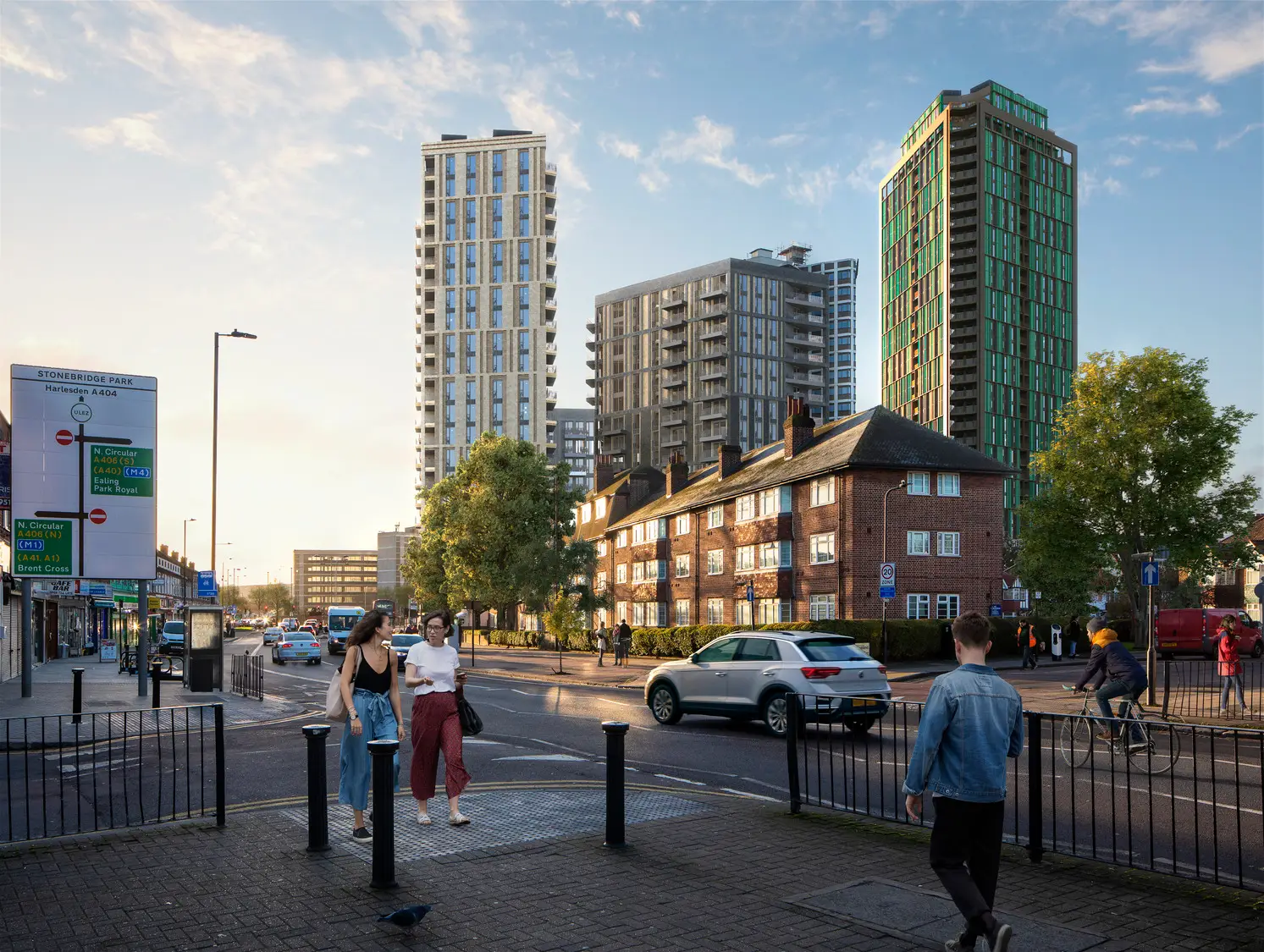
As Coda is in part a high-density housing scheme within Battersea’s predominantly low-rise townscape, it was important for the building to integrate within the neighbourhood, rather than to dominate it.
To minimise visual impact, the 24-storey townscape marker tapers away from York Road from the fifth floor upwards, allowing for terraces to be created in the south. All floors contain a box-like bay windows that either accentuate the vertical or horizontal lines of the block. These provide good lateral views for the inhabitants, particularly towards the river, and also serve to break down the mass to a more human scale.