What we do
Our approach
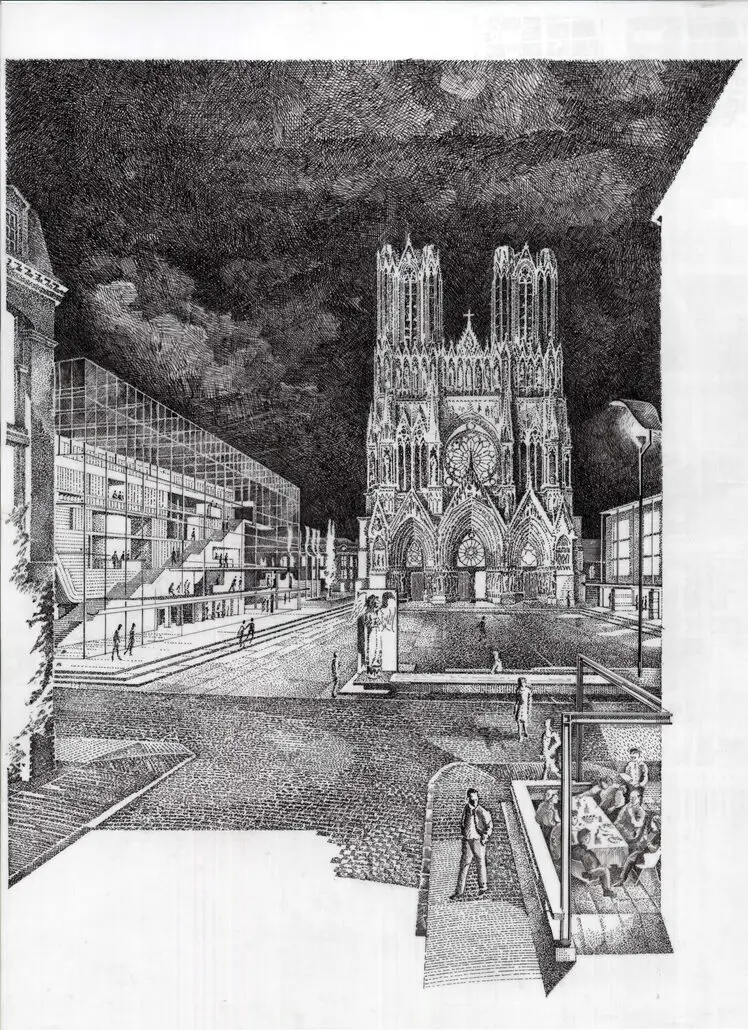
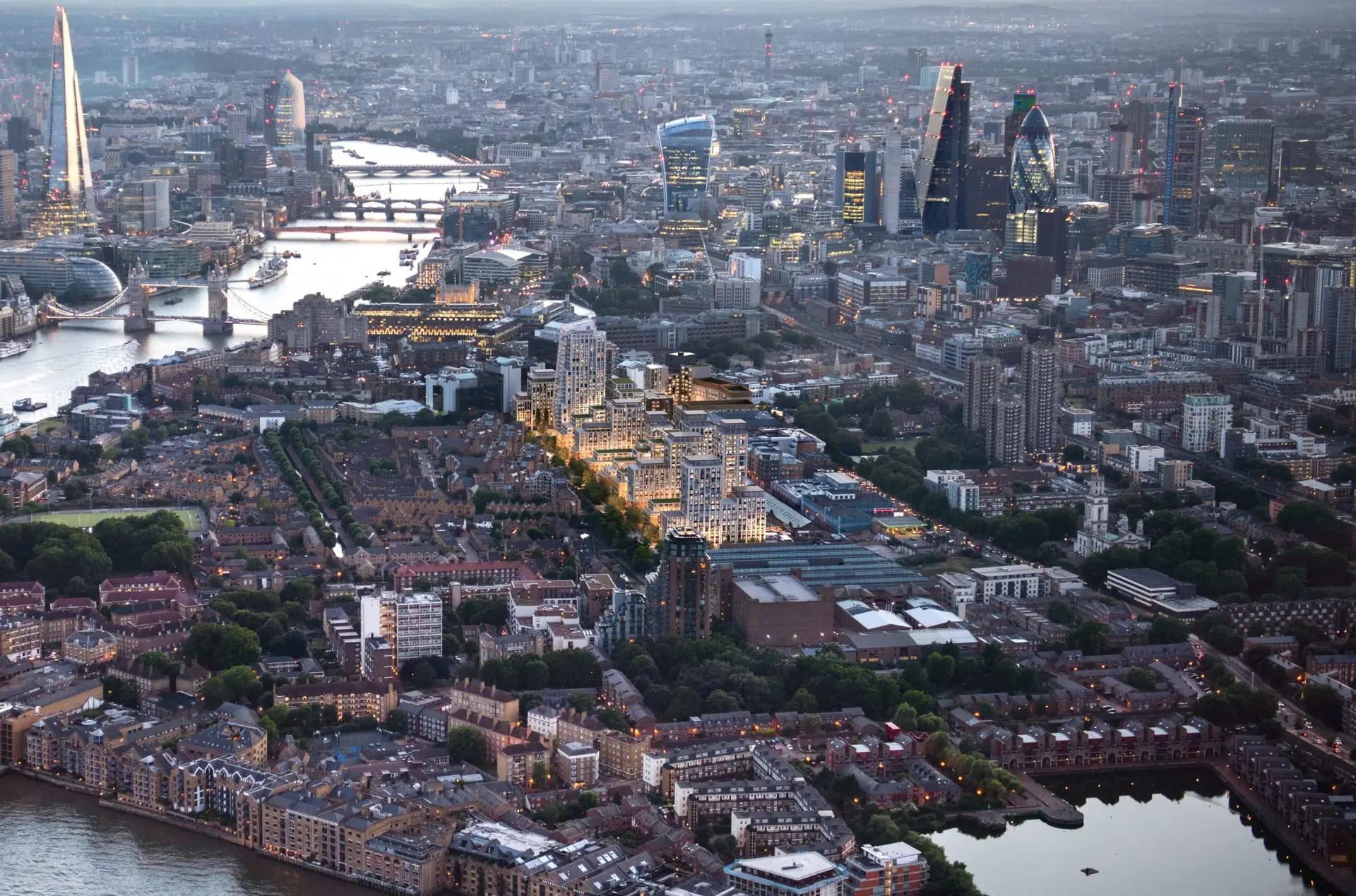
Successful cities evolve from patterns, relationships and identities shaped over time. By integrating architecture, landscape and urban design, we create enduring urban frameworks that strengthen local character, respond to their context and accommodate future change.
London’s new great estates
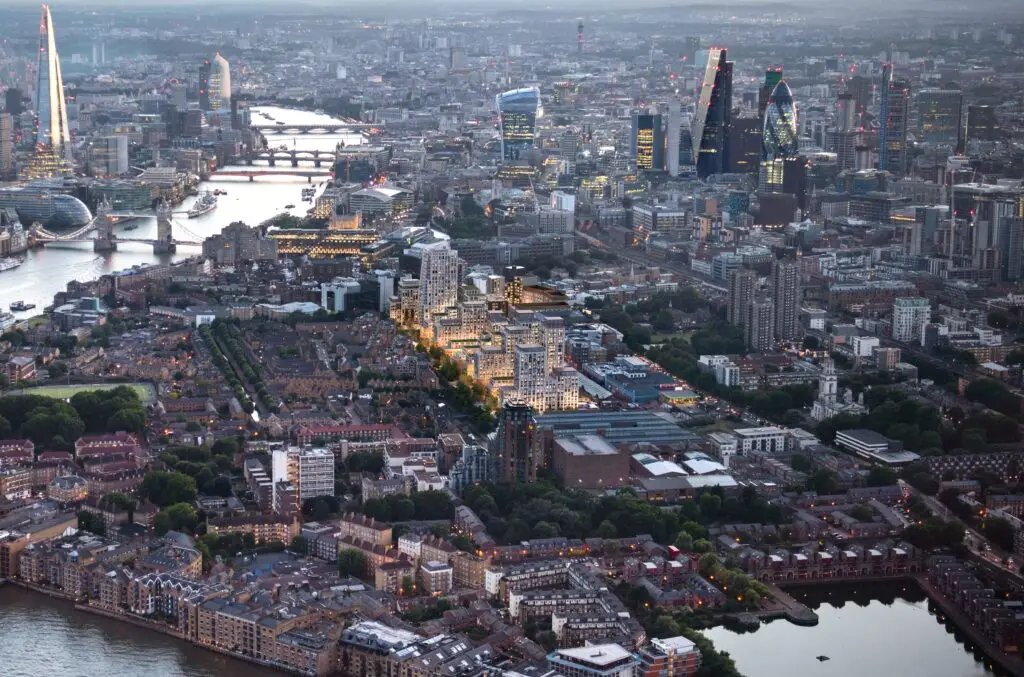
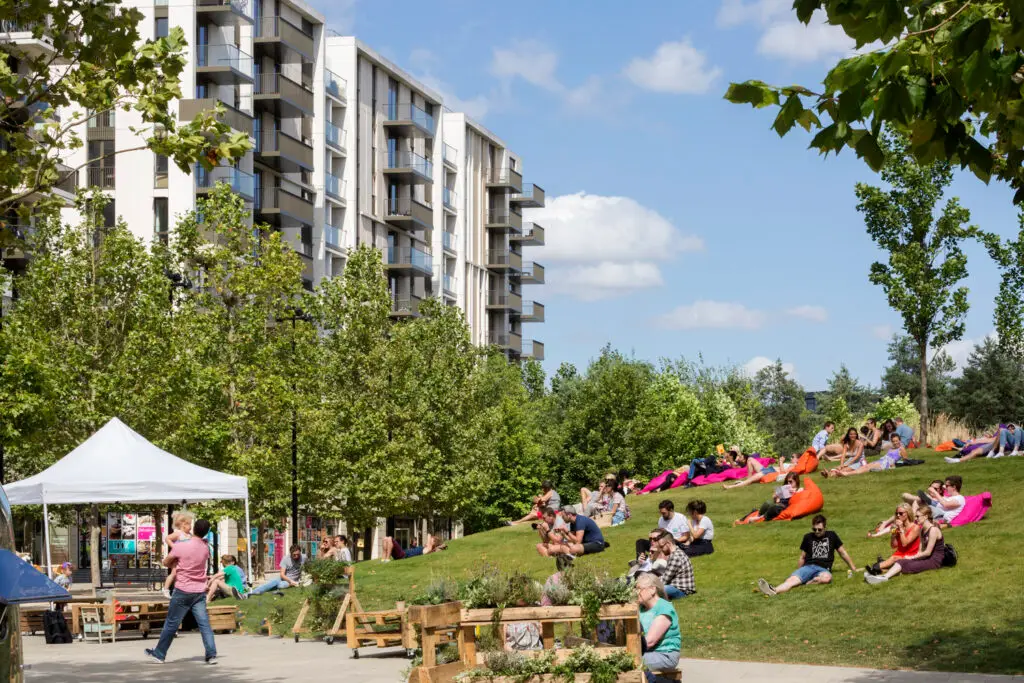
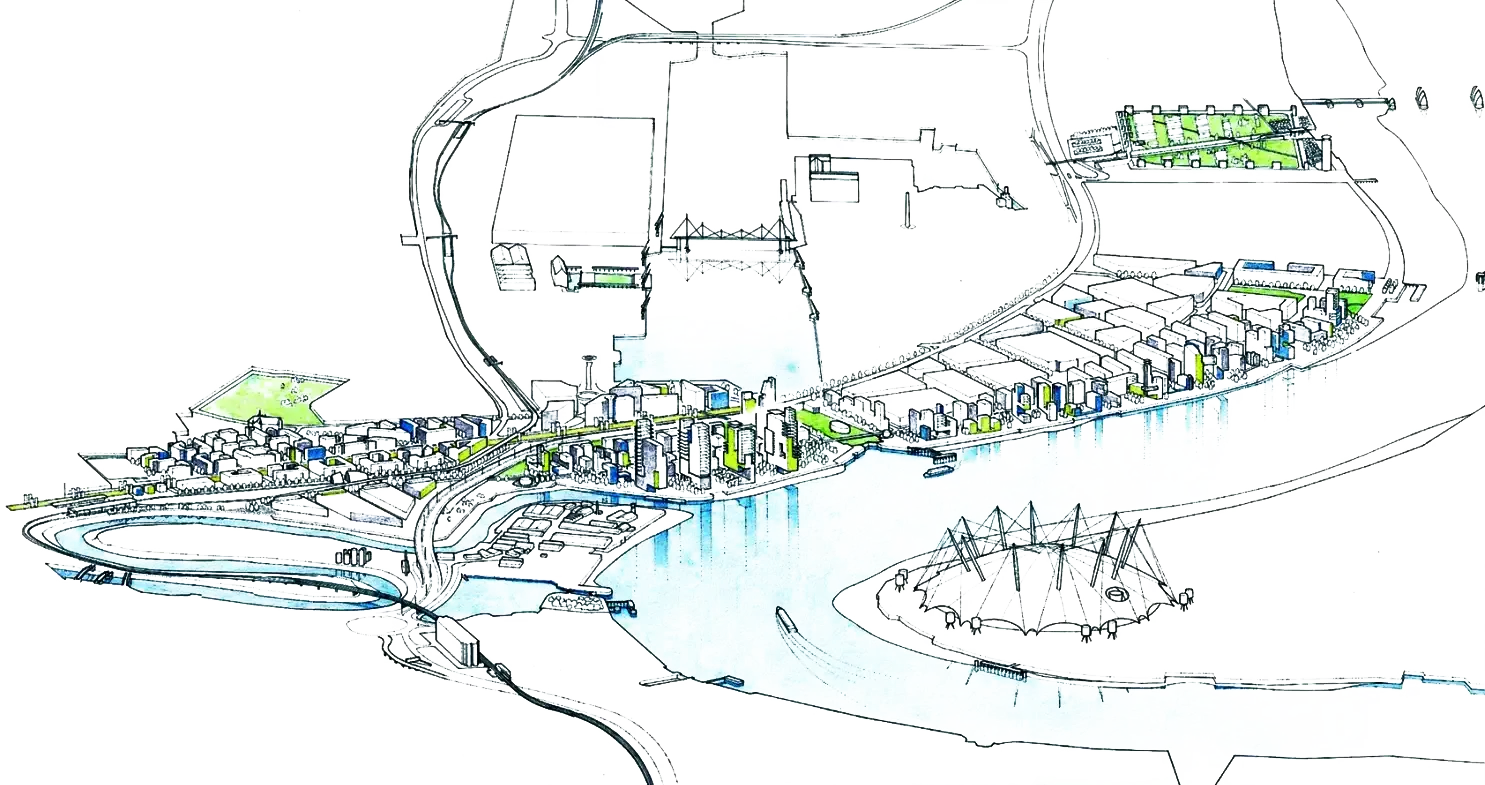
London's greatest neighbourhoods were rarely created as isolated projects. From the Georgian estates of Mayfair and Bloomsbury to the planned communities of Hampstead Garden Suburb and the Barbican, they were conceived as lasting pieces of city. We draw inspiration from this tradition, creating contemporary estates that combine coherent vision, mixed uses, generous public realm and long-term adaptability to support London's continued evolution.
Selected projects
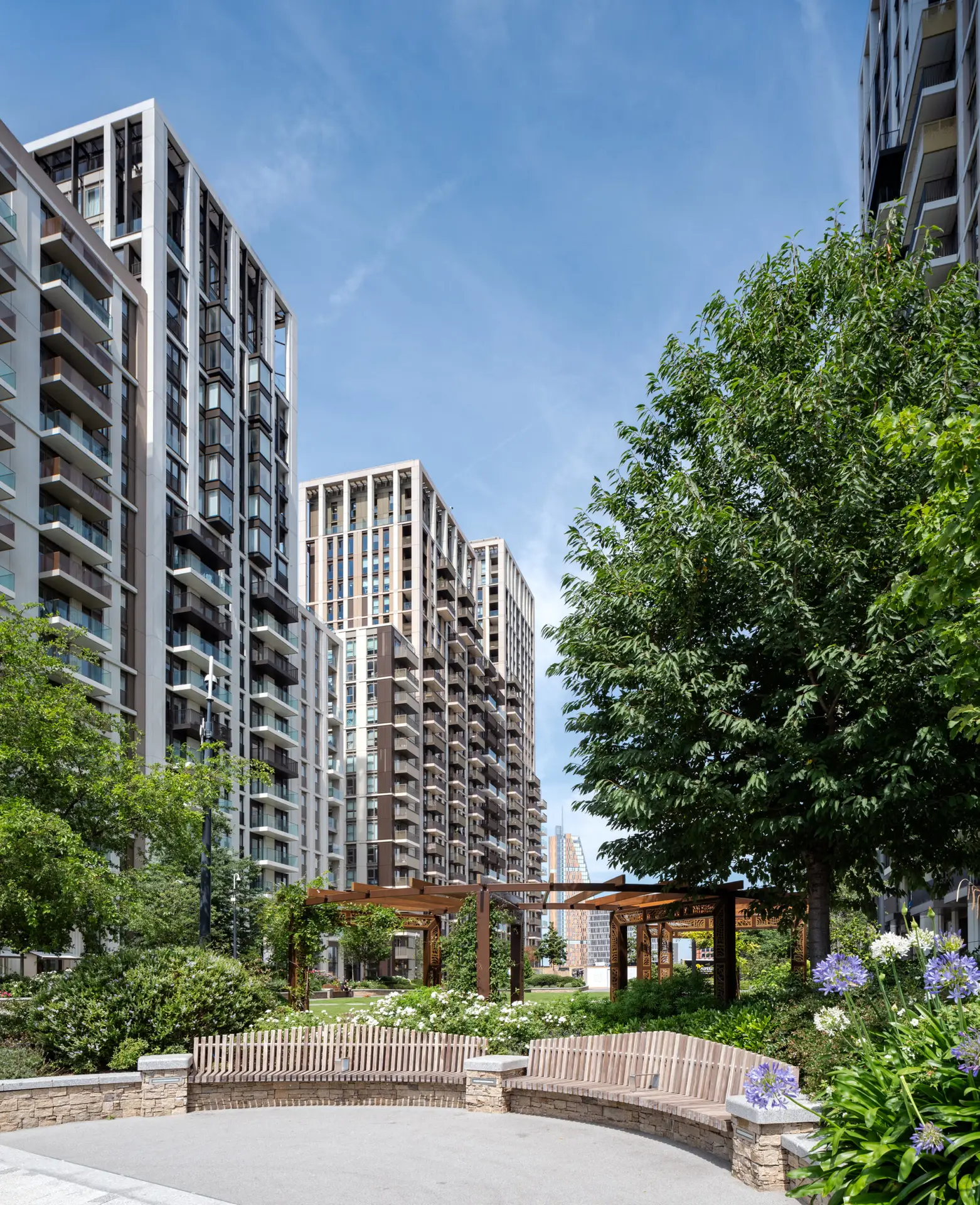
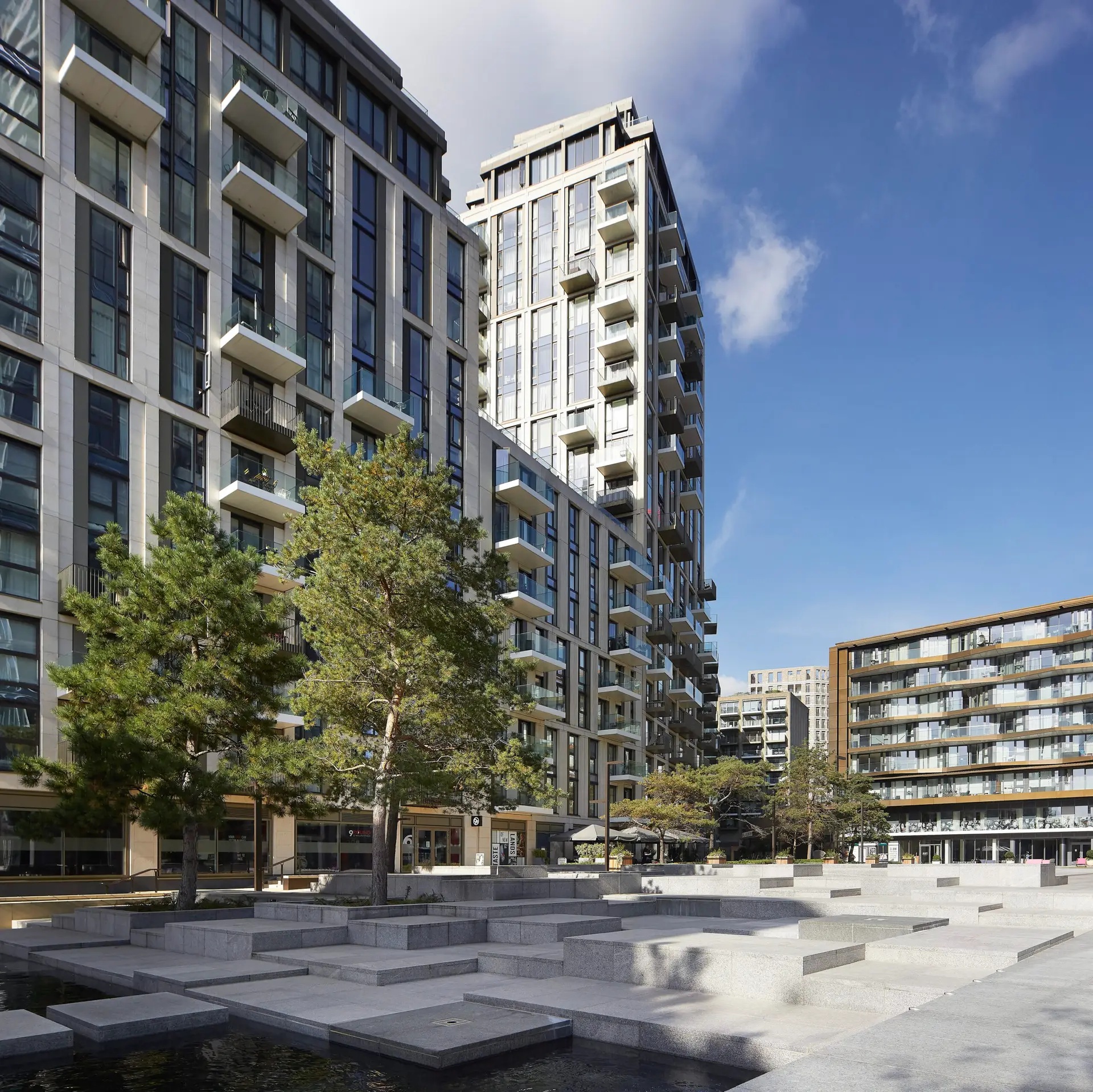
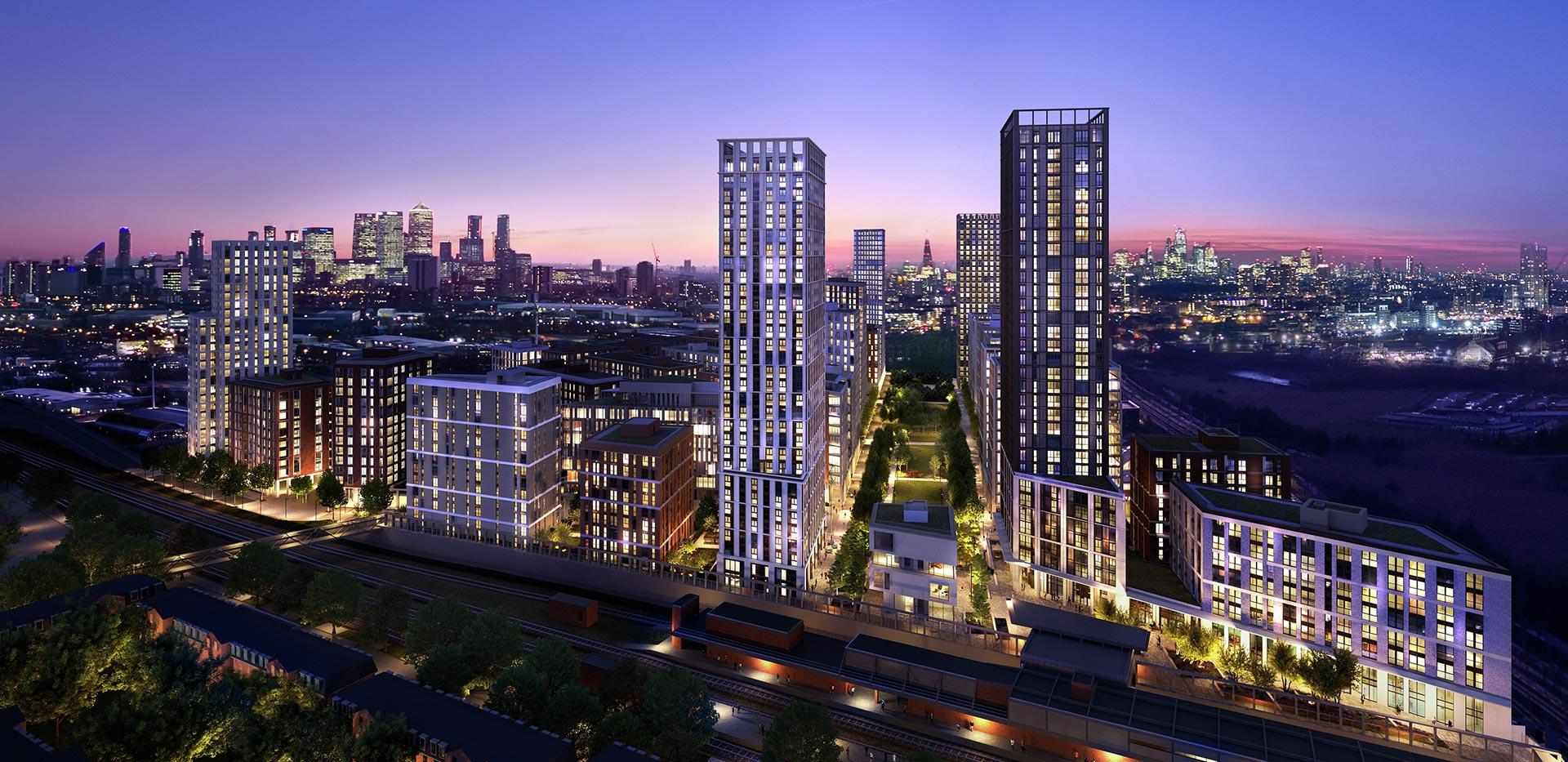
Patel Taylor don’t just think about the buildings; they think about the community and the right landscape – and that sits well with me as I have a lot of regard for placemaking. And I love the panache and flair that they bring to schemes like London Dock and White City.
Tony Pidgley CBE, Chairman, Berkeley Homes
Estate regeneration
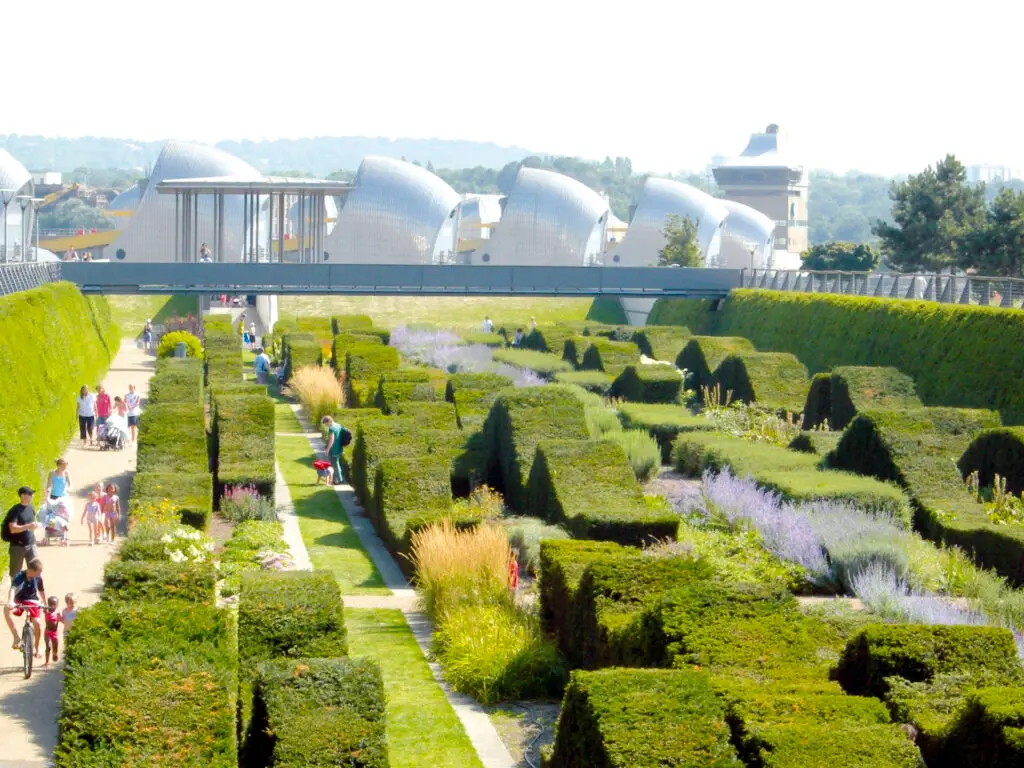
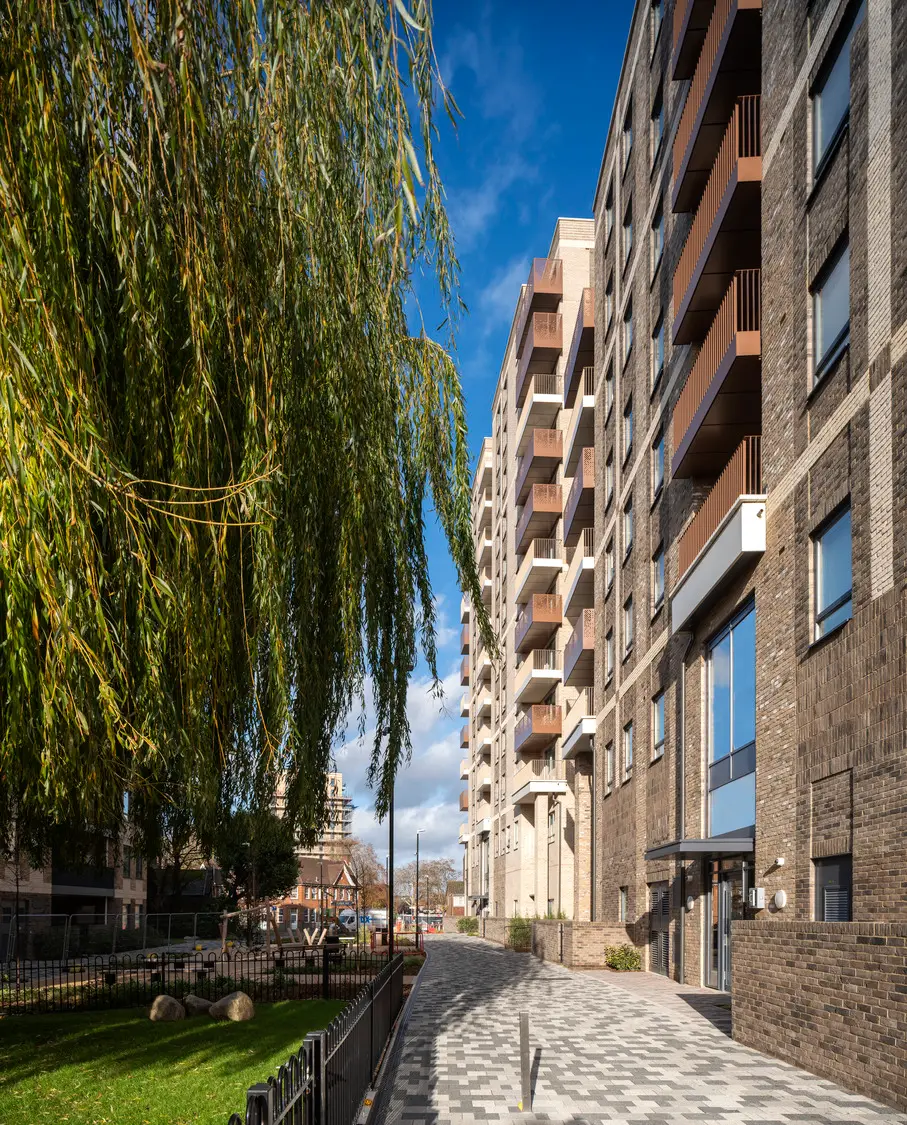
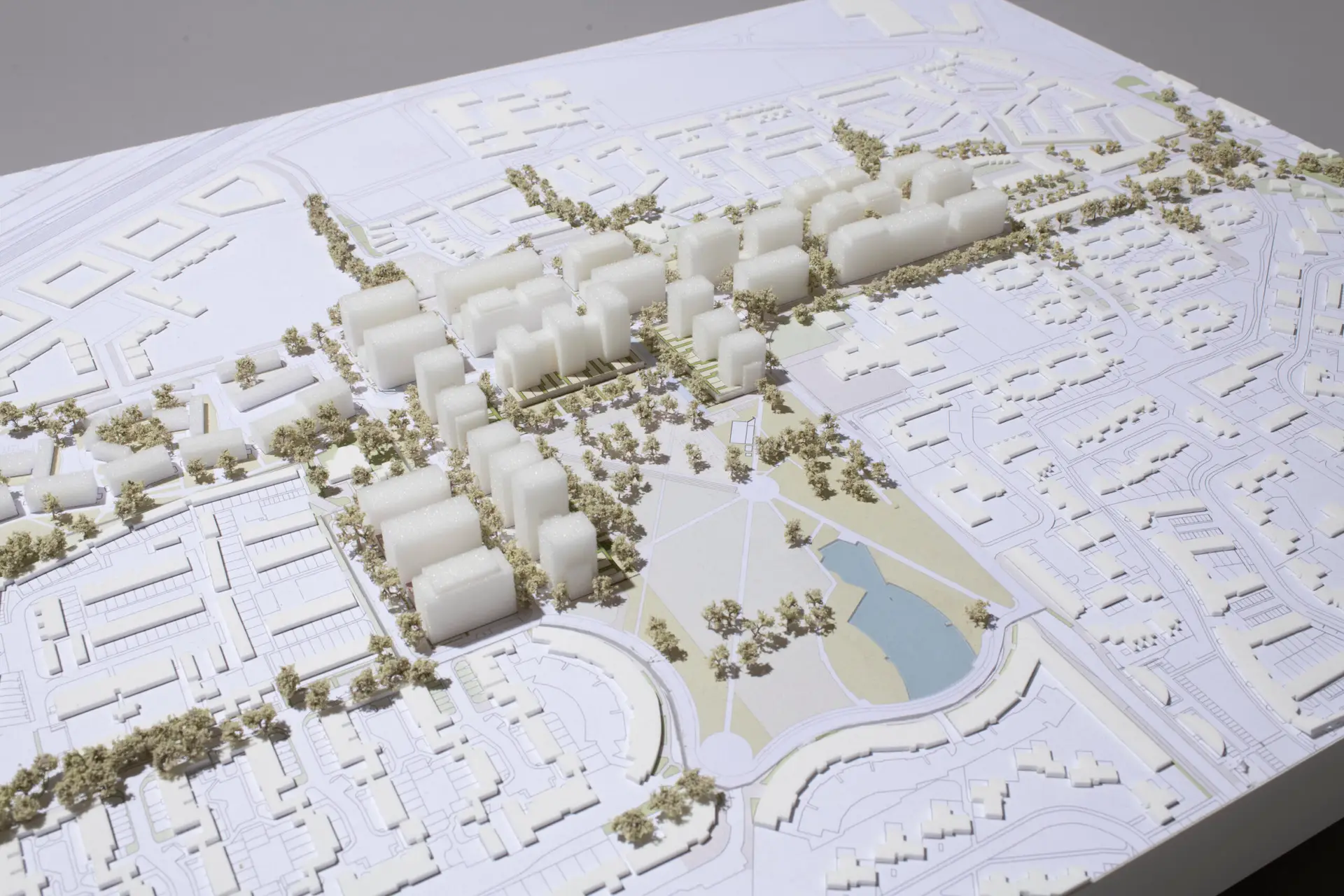
Estate regeneration begins with understanding what already works. By listening to residents and analysing the existing urban structure, we identify the qualities worth retaining while addressing the challenges of today. Engagement informs a landscape-led framework of streets, parks and public spaces, alongside new homes, community facilities and employment opportunities. Planned for realistic phasing and long-term stewardship, our regeneration strategies create connected neighbourhoods that deliver lasting social, environmental and economic value.
Selected projects
New communities
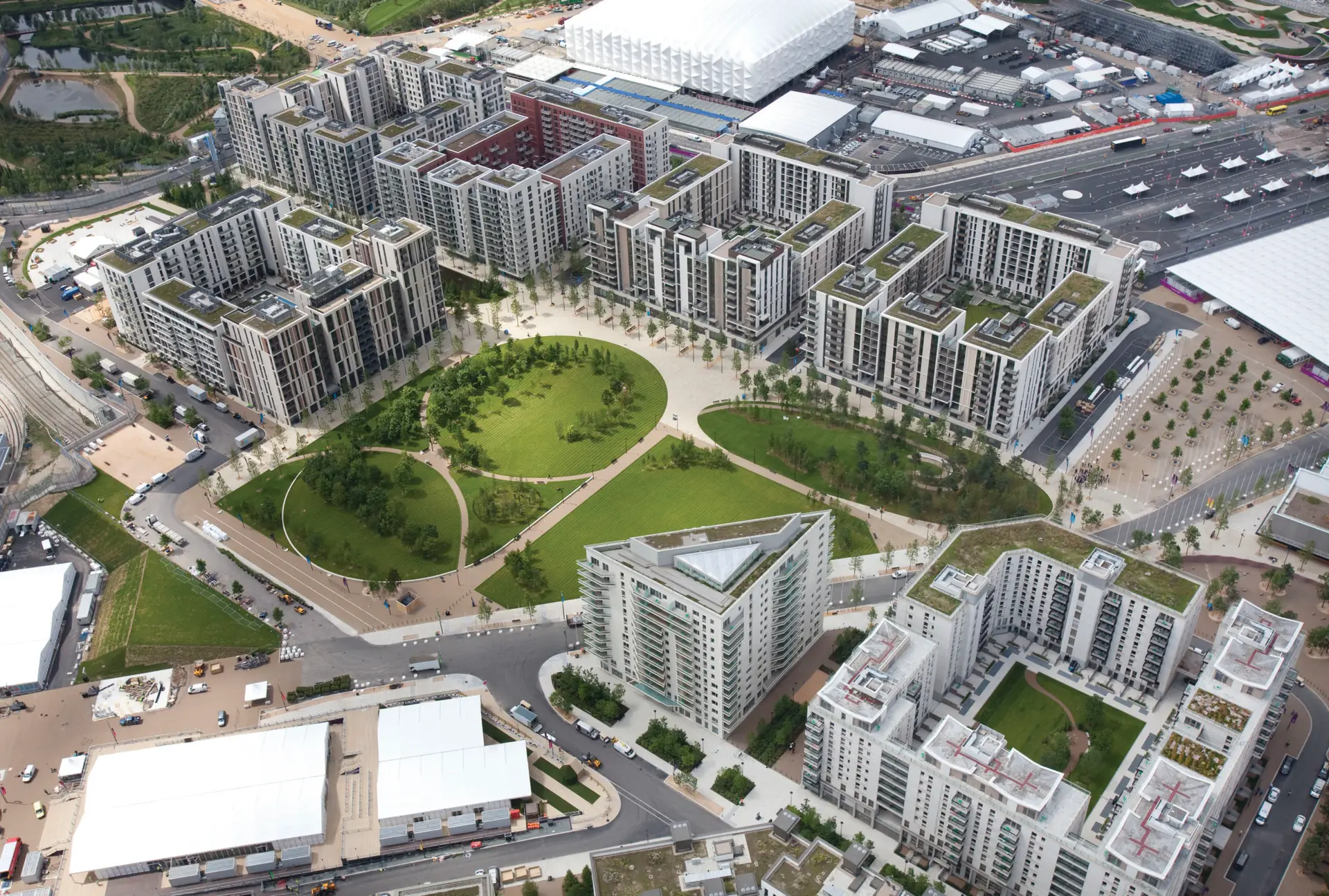
New communities are created through the careful layering of movement, landscape, homes, amenities and public life over time. We establish an enduring framework that provides identity from the earliest phases while remaining flexible enough to respond to changing needs throughout delivery. Strong connections to surrounding neighbourhoods ensure new places become part of the wider city rather than isolated developments.
Selected projects

The GLA has been working closely with Patel Taylor on many of our largest and complex regeneration sites including Thameside West and Stephenson Street in Newham and Beam Park in Dagenham. Each of these involves placemaking on a huge scale and Patel Taylor's skills in masterplanning, landscape design and public realm have proved crucial in every case. Their work has been of exemplary quality; innovative and exciting, but practical and client-facing.
David Lunts, Greater London Authority (GLA), 2018
Regional masterplans
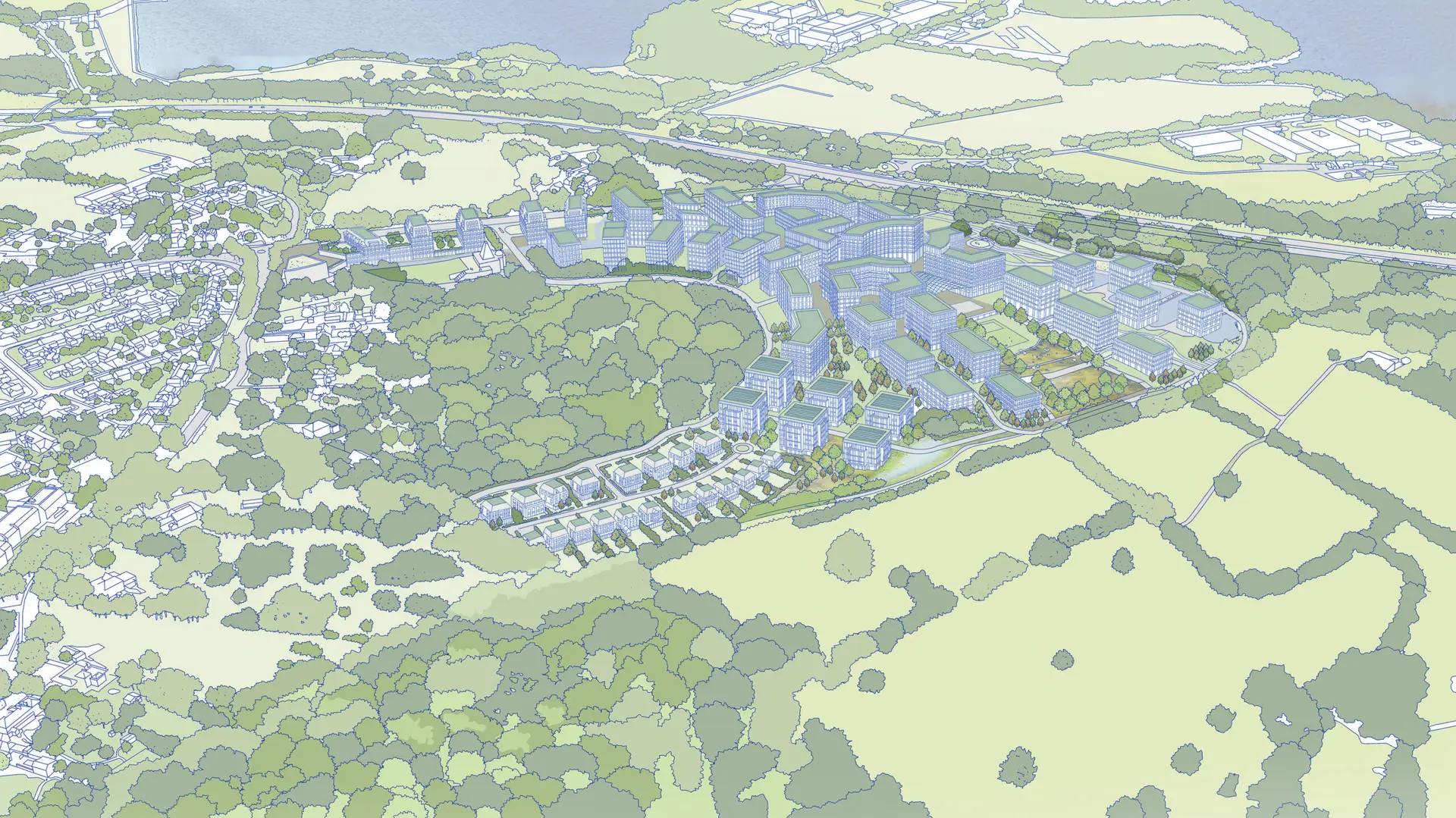
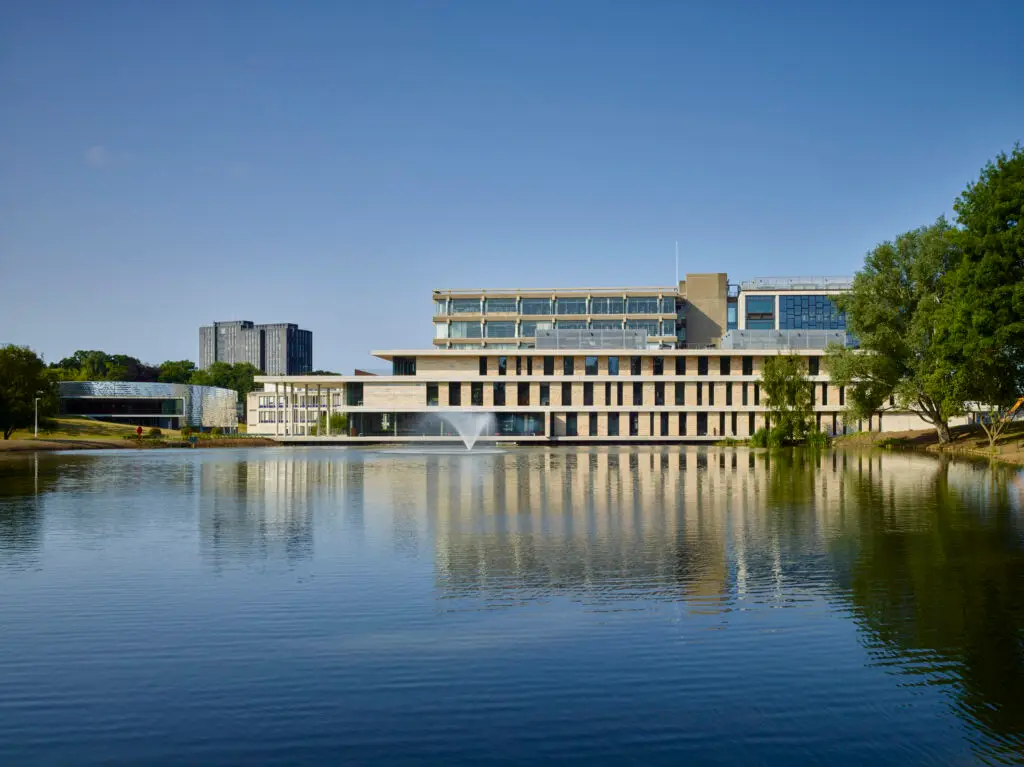
From historic cities to urban extensions and new settlements, every place has its own landscape, history and pattern of growth. We respond to these qualities to create masterplans that strengthen local identity while accommodating future change. Strategic infrastructure, green networks and movement are integrated from the outset, providing the framework for resilient places that can evolve over generations.