Perspectives

Reuse

We take a special interest in creating new places in sensitive settings and have successfully navigated a number of planning approvals for heritage and listed sites.

Projects have included listed buildings, semi-rural sites, and those on Metropolitan Open Land.

Our holistic approach to design unlocks value, introduces density and new uses regenerating historic buildings and settings. Our interventions include strategic urban design in conservation areas, extension to listed buildings as well as new public spaces and landscape in historic environments.

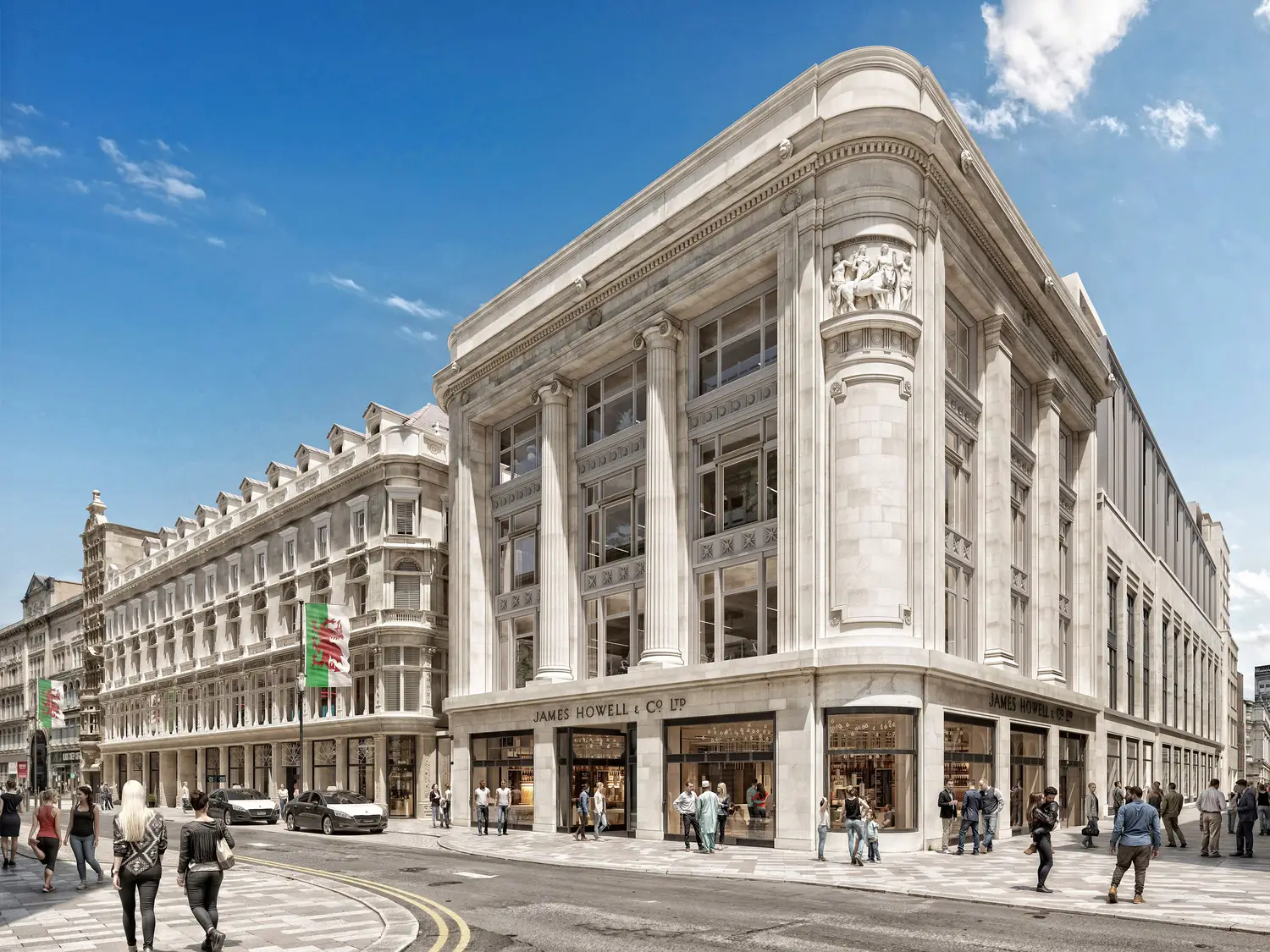
Howells Cardiff

The Howells building, with its more than 150 years of history, is one of the most iconic places in Cardiff.

The Grade II* listed building was once home to Howells department store and has been occupied by House of Fraser for the past 20 years. Following the closure of House of Fraser, the building presents a unique opportunity to restore the site back to the destination it once was through heritage-led placemaking.

The framework of development will celebrate the heritage, history and legacy of the site, ensuring retention of significant buildings and restoring them. The vision is to open up the site, creating new routes, connecting the site to Cardiff Central Market and delivering a new public square in the heart of the site. A carefully curated mix of uses will re-introduce high levels of activity into the site. These include commercial, leisure, hospitality, hotel, workspace and residential.

St George’s Bristol

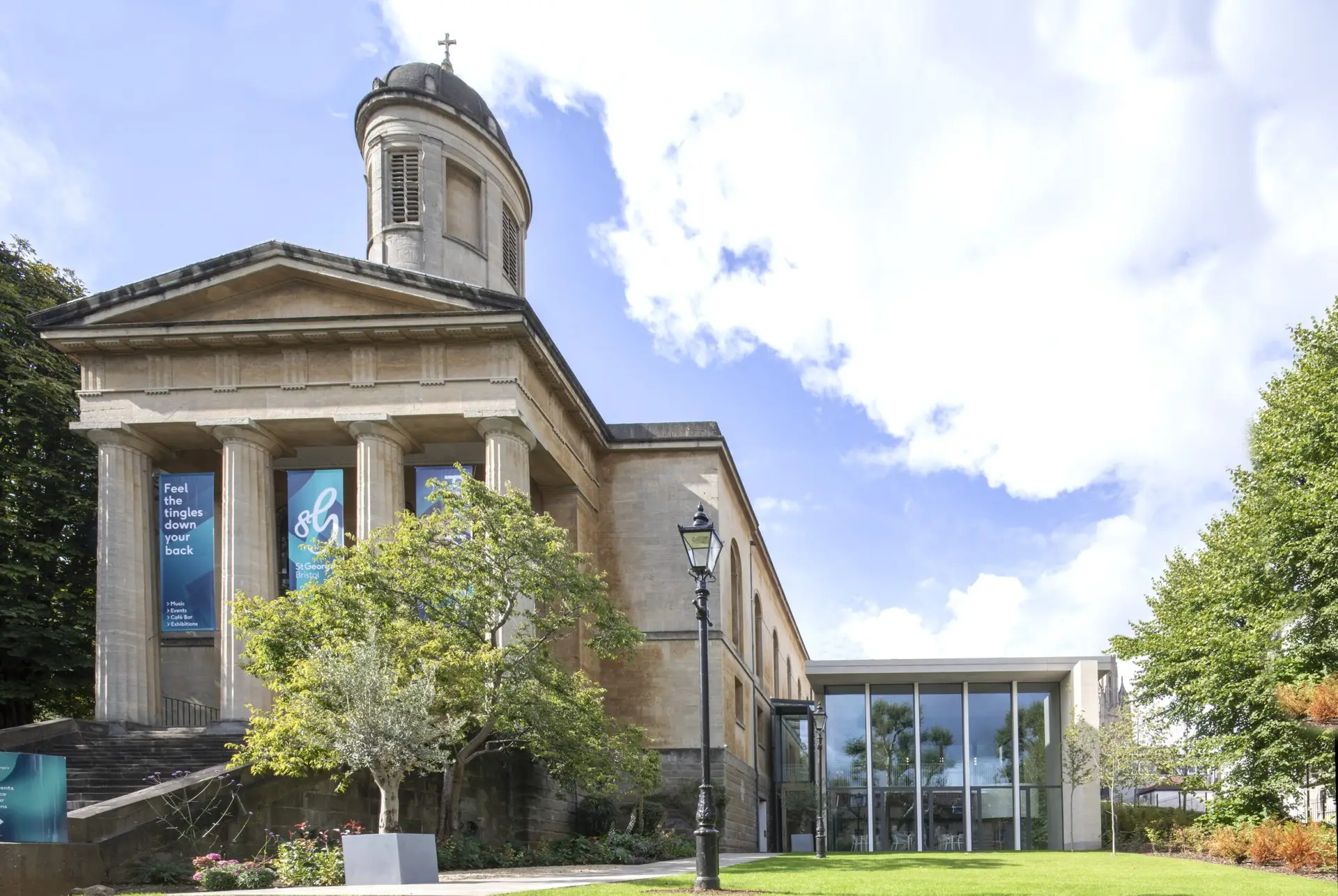
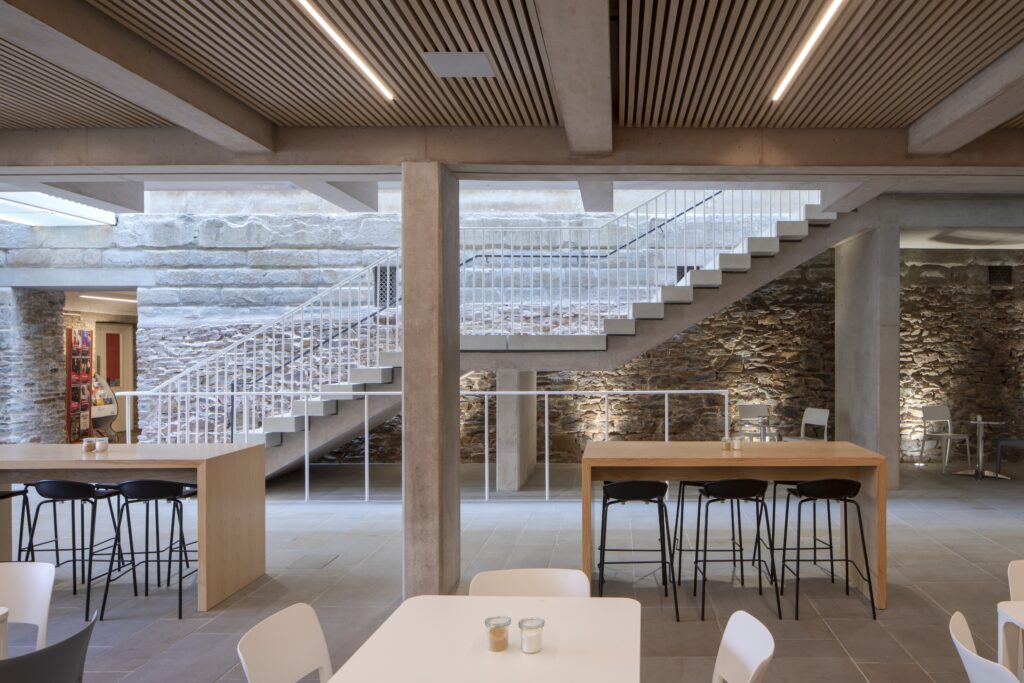
The design responds to the site’s sloping topography to maximise indoor and outdoor space. A series of interconnected gardens, terraces, internal spaces and walkways creates an extended promenade for patrons.

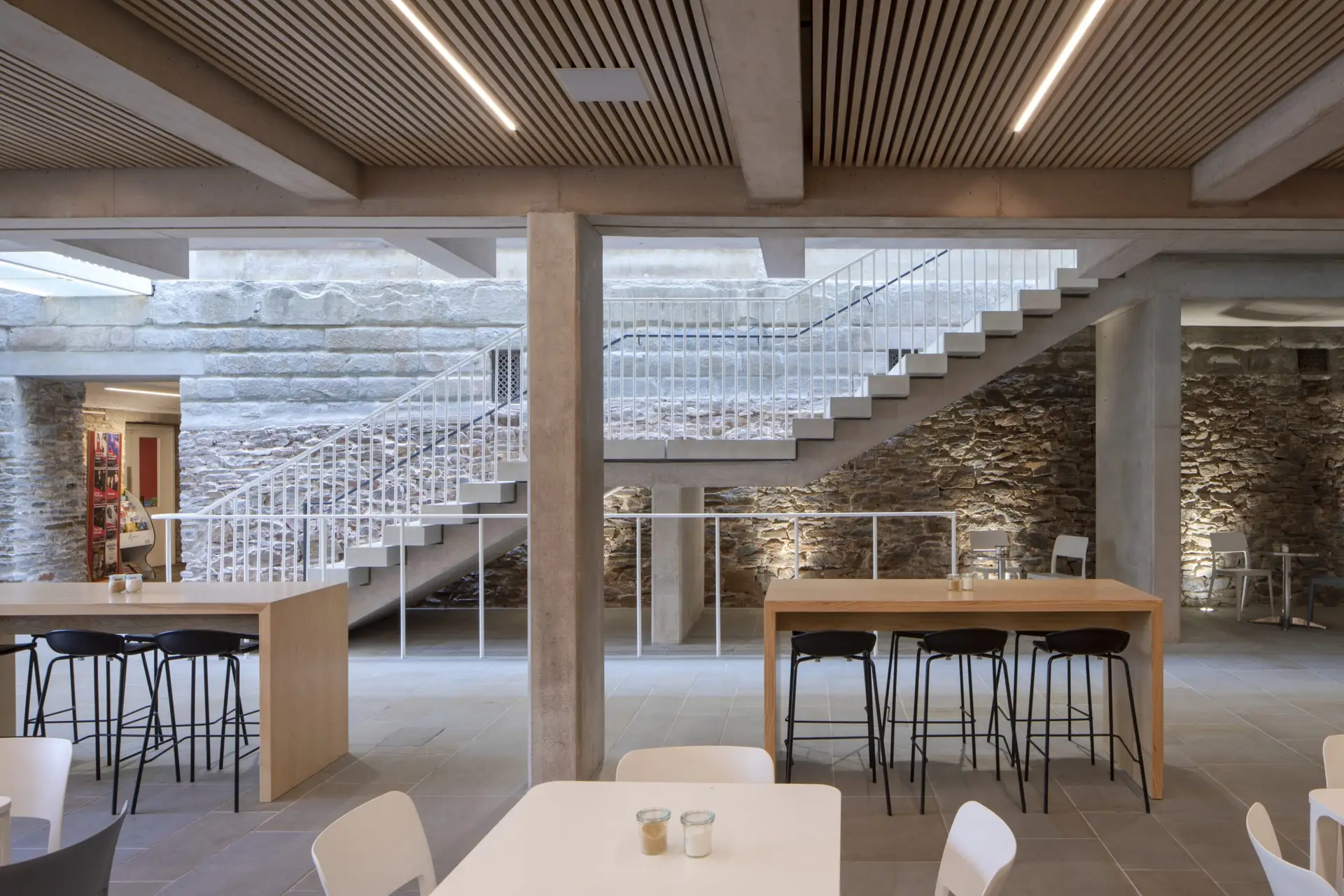
This two-storey extension was designed to enhance visitor experience and revenue generation through the provision of a new cafe, box office and multi-use rooms for rehearsal, teaching and private hire.

An ample double-height space lightly touches the fabric of the existing church building that houses the concert hall.

Beams set perpendicular to the church wall are spaced to align centrally with the structural rhythm of the existing building to provide a sense of continuity between old and new. Two openings on the ground floor link the extension to the offices, recording suite and exhibition space in the crypt, while two additional openings on the upper level increase visitor flow to and from the hall.

The praise for the building has been immense. It speaks to people, which is a rare thing in new buildings. And it just makes people happy when they spend time in it. I really do love it.

Suzanne Rolt, St George’s Bristol

St Paul’s School

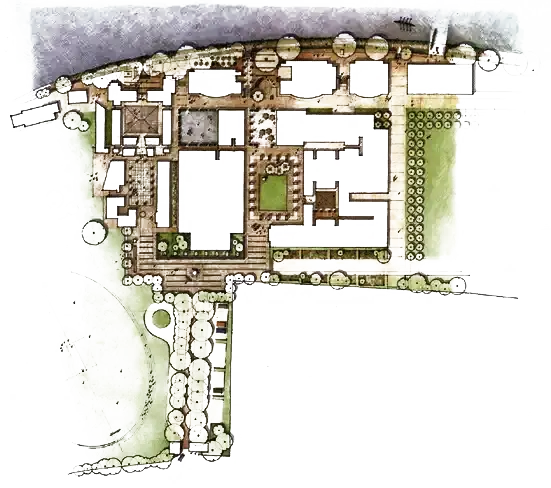
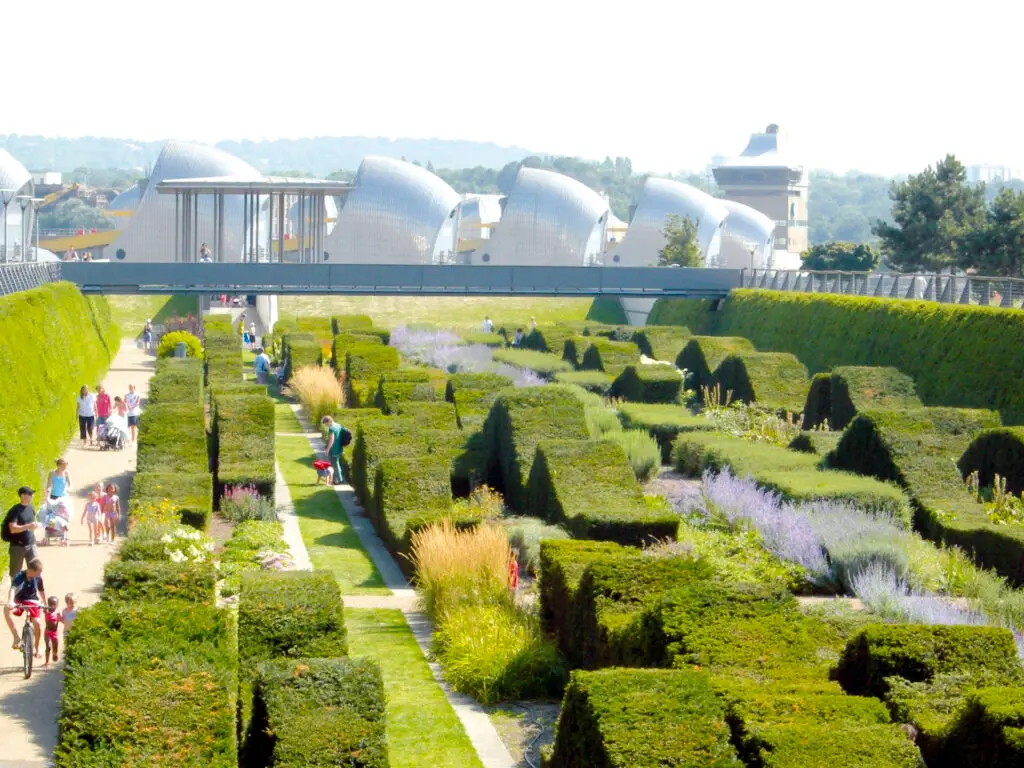
A unique riverside campus - define the school’s identity around its campus

St Paul’s School chose Patel Taylor through an invited competition to masterplan its Thames-side campus in Barnes. It has had an outstanding academic record throughout its long history, even though its character changed with the move to this site from the churchyard of St Paul’s Cathedral.

Patel Taylor set out to define the school’s identity around its campus. This involves reorganising the public realm with a clear network of pedestrian routes to connect the school to the river, and to develop that network with a series of new public spaces that logically define sites for new buildings. The order of development is flexible to give the school options and to cause minimum disruption to its operations.

Outline planning consent, granted in 2008, allowed a 40 per cent uplift in floorspace even though much of the campus is on Metropolitan Open Land.

Pennington Street Warehouse

Giving a new lease of life to a historic warehouse

As the only surviving building from the original London Docks designed by Daniel Alexander and John Rennie, this Grade II listed building proudly forms the backbone to the new Patel Taylor masterplan.

The warehouse is of a sublime grandeur, having an imperforate brick boundary wall to Pennington Street with brick groin-vaulted cellars to the full 1000 feet length of the building.

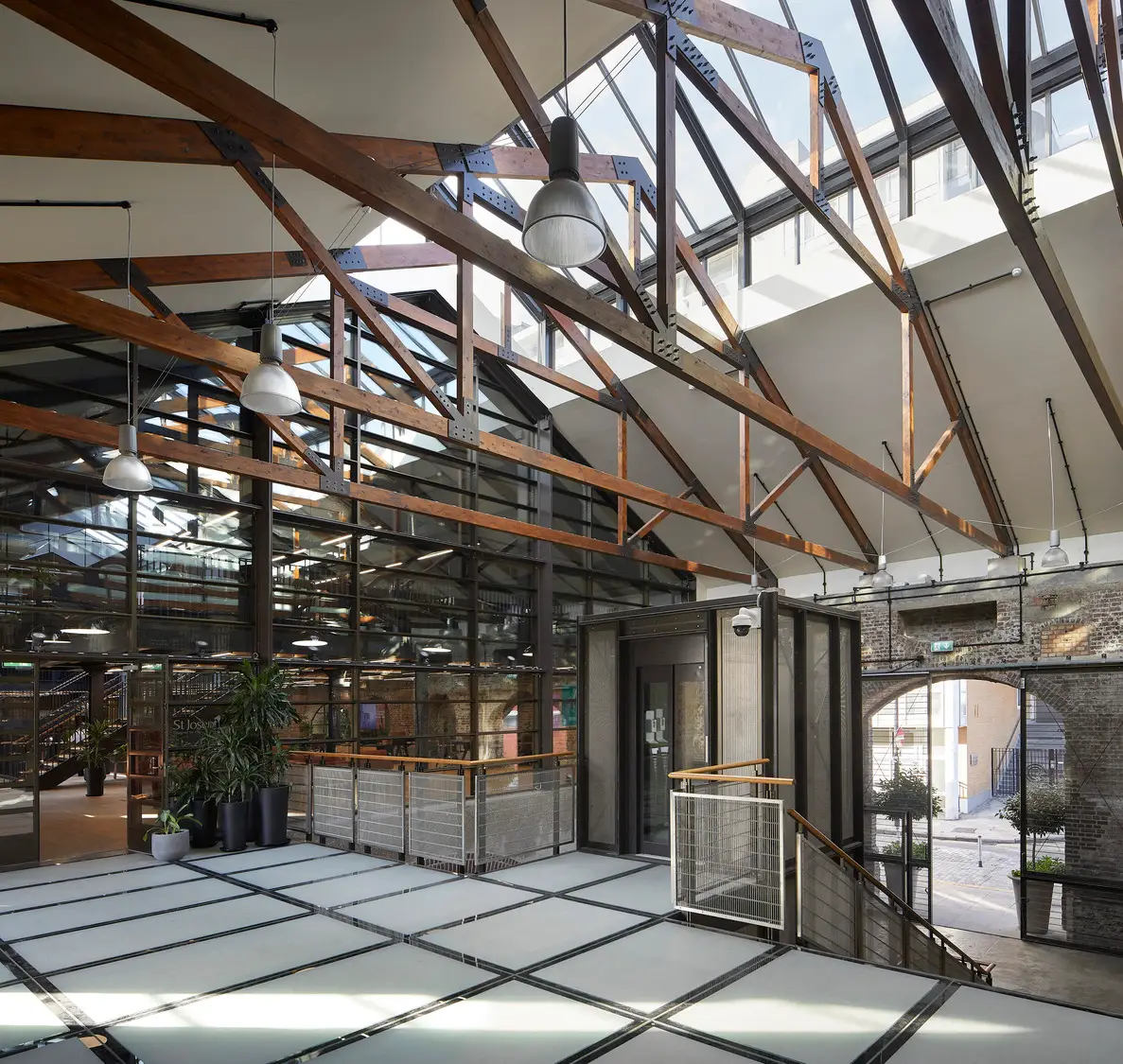
Working with the Grade II listed building of the Pennington Street Warehouse provided opportunities for innovative design as it was refurbished and transformed into a cultural hub within the London Dock masterplan.

New glazed entrances provide access into the building and the development beyond; skylights are aligned with new openings in the vault roof, providing glimpses into the spectacular brick crypts.

Ty Isaf Arts Centre

In converting a barn into an arts centre, we deliberately contrasted the massive, rough qualities of the existing structure and mature landscape around it, with sharp and clear contemporary places.

These additions provide the modifications that make the function specific: a sculpted, rendered wall marks the entrance and continues into the building where it terminates in a hearth, making a focal point for the building.

Ash floors define an enfilade of rooms and conceal the services, while a strip of stone paving links all the spaces. Their smooth textures contrast with the hewn walls and timber trusses, whose roughness contrasts all the more after light restorations.

Finely judged marriage of vernacular farm building with contemporary sensibilities.

Architectural Review

Reims Cultural Quarter

Our masterplan guidelines now form part of Reims’ development plan for this important city quarter.

There was a need to structure spaces better using new buildings to redefine these, to reinforce links and connections and to introduce uses that would compliment and reanimate the district with tourists in summer and locals in winter.

Proposals for a cathedral museum, a gallery, mediatheque, hotel, mixed commerce, university teaching and living space and an extension to the fine art museum underpinned the strategy.

A proposal which brings new human and spatial structure to the heart of Reims – a very sensitive understanding of the relationships between the hierarchies of local and general transactions.

Architectural Review

We take a special interest in designing new city additions and shaping diverse places.

At the heart of our success is our inspired team of designers, thinkers, and creators.